
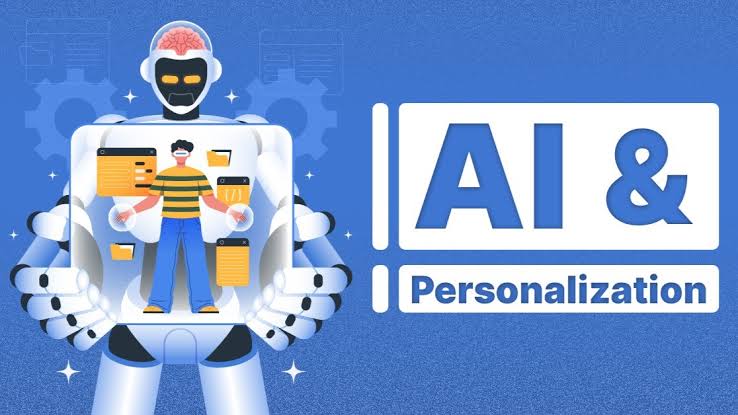
Artificial Intelligence (AI) has become one of the most influential technologies of the modern era, reshaping how people interact with digital platforms, businesses, and everyday services. From personalized recommendations to intelligent virtual assistants, AI is changing the expectations users have when engaging with websites, applications, and online services. As organizations continue investing in smarter digital solutions, platforms such as https://bos88link.it.com/ demonstrate how businesses embrace innovative technologies to enhance customer engagement and deliver smoother online experiences. Today, AI is no longer a futuristic concept—it is an essential component of creating efficient, personalized, and user-friendly digital environments.
Understanding Artificial Intelligence in Everyday Life
Artificial Intelligence refers to computer systems capable of performing tasks that traditionally require human intelligence. These tasks include recognizing speech, understanding language, identifying images, analyzing large amounts of data, and making informed decisions.
Most people interact with AI daily without even realizing it. Whether receiving personalized movie recommendations, using navigation apps that predict traffic conditions, or chatting with intelligent customer support bots, AI quietly improves convenience behind the scenes.
The primary goal of AI is not simply automation but creating smarter interactions that help users accomplish tasks faster and with greater satisfaction.
The Evolution of User Experience
User experience (UX) focuses on how people feel when interacting with a digital product. Years ago, websites mainly focused on providing information. Today, users expect digital platforms to understand their needs, remember their preferences, and respond instantly.
Artificial Intelligence has accelerated this transformation by making digital experiences more adaptive and personalized. Instead of offering identical experiences to every visitor, AI analyzes behavior and customizes content according to individual interests.
This shift has significantly improved customer satisfaction while increasing engagement and loyalty.
Personalized Content Recommendations
One of AI’s most recognizable contributions is personalized recommendations.
Rather than displaying the same products or content to every visitor, AI studies browsing habits, purchase history, and interaction patterns to suggest items users are most likely to appreciate.
Popular applications include:
- Product recommendations in online stores
- Personalized music playlists
- Movie and television suggestions
- Customized news feeds
- Learning course recommendations
These intelligent suggestions save users time while making digital experiences feel more relevant and enjoyable.
Smarter Customer Support
Customer support has changed dramatically through AI-powered chatbots and virtual assistants.
Modern AI chatbots can answer common questions instantly, guide users through websites, help solve technical problems, and even complete transactions.
Benefits include:
- 24/7 customer service
- Faster response times
- Reduced waiting periods
- Consistent answers
- Lower operational costs
When complex issues arise, AI can transfer conversations to human representatives while providing relevant context, improving the overall support experience.
Voice Assistants Are Changing Interactions
Voice recognition technology has become increasingly sophisticated.
People now interact naturally with AI-powered assistants by asking questions, setting reminders, controlling smart home devices, or searching for information without typing.
This hands-free interaction improves accessibility for users of all ages and abilities while making technology more intuitive.
As voice recognition continues improving, businesses are optimizing digital services to support conversational interactions.
AI Improves Website Navigation
Finding information quickly is essential for a positive user experience.
Artificial Intelligence helps websites become easier to navigate by:
- Predicting search queries
- Auto-completing search terms
- Organizing content intelligently
- Displaying relevant categories
- Learning from previous user behavior
Instead of forcing users to browse multiple pages, AI reduces effort by delivering the most relevant information first.
Enhanced Search Experiences
Search functionality has evolved significantly thanks to machine learning.
Traditional keyword searches often produced irrelevant results. AI-powered search engines understand user intent rather than relying solely on exact keywords.
Modern search systems can:
- Understand natural language
- Correct spelling mistakes
- Recognize synonyms
- Interpret context
- Learn from previous searches
These improvements make finding information faster and more accurate.
Predictive Analytics Creates Better Experiences
AI analyzes historical data to predict future user behavior.
Businesses use predictive analytics to anticipate customer needs before they are explicitly expressed.
Examples include:
- Recommending products before users search
- Predicting service demand
- Identifying potential customer concerns
- Optimizing inventory
- Improving marketing campaigns
Predictive insights enable organizations to create proactive rather than reactive experiences.
AI Makes Digital Experiences More Accessible
Accessibility is becoming a major priority across digital platforms.
Artificial Intelligence supports users with disabilities through features such as:
- Speech recognition
- Real-time captions
- Text-to-speech conversion
- Image recognition
- Automatic translations
These innovations help ensure that digital content becomes accessible to a broader audience, promoting inclusivity across industries.
Faster Decision-Making Through Automation
Many repetitive processes can now be automated using AI.
Automation improves user experiences by reducing delays associated with manual processing.
Examples include:
- Loan approvals
- Appointment scheduling
- Fraud detection
- Email sorting
- Customer verification
Users benefit from quicker responses while businesses increase operational efficiency.
AI in Online Shopping
E-commerce has experienced one of the biggest AI transformations.
Modern online stores use AI to:
- Recommend products
- Predict demand
- Personalize promotions
- Optimize pricing
- Detect fraudulent transactions
Customers enjoy smoother shopping experiences, while businesses increase customer satisfaction and retention.
Intelligent Content Creation
Artificial Intelligence also assists content creators.
AI tools help generate:
- Product descriptions
- Marketing copy
- Social media captions
- Video subtitles
- Content summaries
While human creativity remains essential, AI accelerates production and helps maintain consistency across multiple platforms.
Improved Security and Fraud Prevention
Security significantly impacts user trust.
AI systems continuously monitor unusual activity to identify potential threats before they become serious problems.
Examples include:
- Suspicious login detection
- Payment fraud prevention
- Malware identification
- Identity verification
- Risk assessment
These capabilities create safer digital environments for users.
Emotional Intelligence in AI
Advanced AI systems increasingly recognize emotional cues through text, voice, and facial expressions.
Although still evolving, emotional AI can adapt responses according to customer sentiment, helping create more empathetic digital interactions.
For example, customer support systems may detect frustration and prioritize faster assistance.
AI in Education
Educational platforms now personalize learning experiences using AI.
Students receive customized lessons based on their strengths, weaknesses, and learning speed.
Benefits include:
- Personalized study plans
- Adaptive quizzes
- Instant feedback
- Progress tracking
- Intelligent tutoring systems
These technologies improve learning outcomes while keeping students engaged.
AI in Healthcare
Healthcare providers increasingly rely on AI to improve patient experiences.
Applications include:
- Appointment scheduling
- Medical image analysis
- Virtual health assistants
- Personalized treatment recommendations
- Predictive diagnostics
Patients benefit from faster services and more informed healthcare decisions.
Challenges of AI Adoption
Despite its advantages, AI presents important challenges.
Organizations must carefully address:
- Data privacy
- Algorithm bias
- Transparency
- Ethical decision-making
- Cybersecurity risks
Responsible AI development requires balancing innovation with fairness, accountability, and user trust.
The Future of AI-Driven User Experiences
Artificial Intelligence continues evolving rapidly.
Future innovations may include:
- Hyper-personalized digital services
- More natural human-computer conversations
- Advanced augmented reality experiences
- Smarter wearable technology
- Fully adaptive user interfaces
As computing power and machine learning improve, AI will become even more integrated into everyday digital interactions.
Conclusion
Artificial Intelligence is fundamentally transforming user experiences across nearly every industry. From personalized recommendations and intelligent customer support to enhanced accessibility and predictive analytics, AI enables businesses to deliver faster, smarter, and more engaging digital services. While challenges such as privacy and ethical considerations remain important, the overall impact of AI continues to be overwhelmingly positive.
Organizations that thoughtfully implement AI technologies are better positioned to meet evolving customer expectations while creating seamless, personalized, and efficient experiences. As innovation accelerates, Artificial Intelligence will remain a driving force behind the next generation of digital interaction, helping businesses and users alike benefit from smarter, more intuitive technology.
