
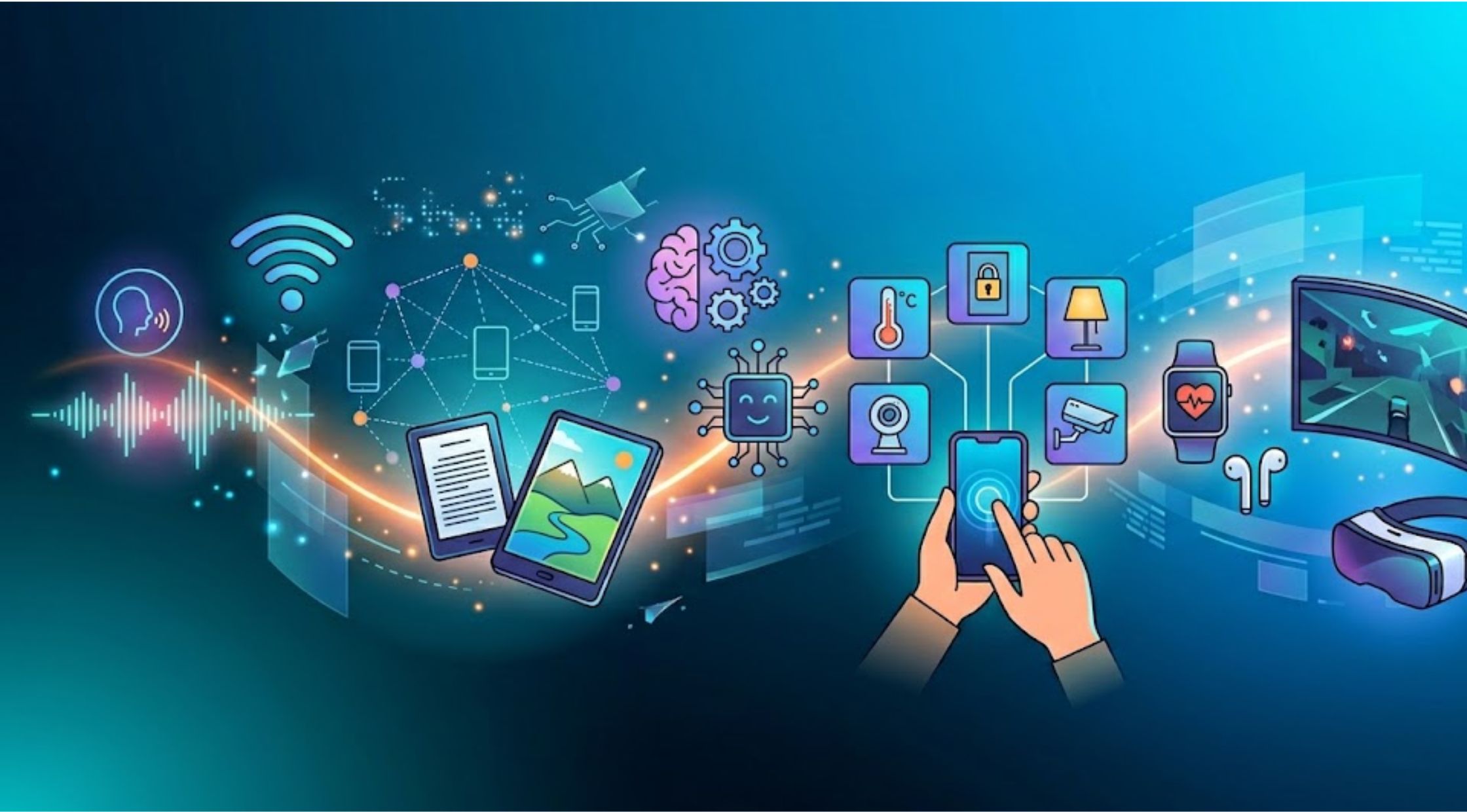
Digital experiences have become an essential part of modern life, influencing how people communicate, shop, work, learn, and enjoy entertainment. As technology continues to advance, businesses and platforms are constantly finding new ways to make online interactions faster, easier, and more personalized. From improved website designs to artificial intelligence-powered services, digital environments are evolving to meet changing user expectations. Platforms such as https://singatoto.co/ represent how online experiences continue to adapt by focusing on accessibility, convenience, and user engagement. The continuous improvement of digital experiences is driven by innovation, customer demands, and the need to create meaningful connections in an increasingly connected world.
The Growing Importance of User-Centered Digital Design
One of the biggest reasons digital experiences continue to improve is the increased focus on users. In the early days of the internet, websites and digital platforms were mainly designed to provide information. Today, users expect much more. They want smooth navigation, attractive layouts, fast loading times, and personalized interactions.
Modern digital design places the user at the center of every decision. Companies analyze user behavior, collect feedback, and study engagement patterns to understand what people need. This approach helps create platforms that are easier to use and more enjoyable. A well-designed digital experience allows users to complete tasks quickly while feeling comfortable and confident.
User-centered design also focuses on accessibility. Digital platforms are becoming more inclusive by ensuring that people with different abilities can access and use online services. Features such as voice navigation, readable layouts, and adaptable interfaces are helping create better experiences for everyone.
Advancements in Artificial Intelligence and Automation
Artificial intelligence has become one of the most influential technologies improving digital experiences. AI allows platforms to understand user preferences, predict needs, and provide smarter solutions. From recommendation systems to automated customer support, artificial intelligence helps create faster and more efficient interactions.
Many digital platforms now use AI to personalize content. Instead of showing the same information to every user, systems can analyze interests and behaviors to deliver more relevant experiences. This personalization makes digital interactions feel more natural and valuable.
Automation is another major factor behind improved digital experiences. Businesses can now automate repetitive processes, allowing customers to receive faster responses and services. Chatbots, automated recommendations, and smart search tools reduce waiting times and improve satisfaction.
As AI technology continues to develop, digital experiences will become even more intelligent. Future platforms will likely understand users better, provide more accurate suggestions, and create interactions that feel increasingly personalized.
Faster and More Reliable Digital Performance
Speed plays a crucial role in determining the quality of a digital experience. Users expect websites, applications, and online platforms to work quickly and efficiently. Slow loading times or technical problems can negatively affect user satisfaction and engagement.
Advancements in cloud computing, improved software development techniques, and stronger internet infrastructure have helped digital platforms become faster and more reliable. Businesses are investing in technologies that improve performance and ensure smooth experiences across different devices.
Mobile technology has also influenced the need for better performance. Since many people access digital services through smartphones and tablets, platforms must be optimized for smaller screens and different connection speeds. Responsive design and mobile-friendly features have become essential parts of modern digital experiences.
The Impact of Mobile Technology
Mobile devices have transformed how people interact with digital platforms. Smartphones provide instant access to information, entertainment, shopping, and communication. Because of this shift, businesses are constantly improving mobile experiences to meet user expectations.
Mobile applications now offer features that were once only available on desktop platforms. Users can complete purchases, manage accounts, communicate with others, and access services from anywhere. This convenience has encouraged companies to create more flexible and user-friendly mobile solutions.
The growth of mobile technology has also encouraged developers to focus on simple and efficient designs. Since mobile screens have limited space, digital experiences must be clear, organized, and easy to navigate. This focus on simplicity has improved overall digital design standards.
Personalization Creates Better User Connections
Personalization is one of the strongest trends shaping digital experiences. People prefer services that understand their preferences and provide relevant content. Digital platforms use data analysis and advanced technologies to create experiences that feel customized for individual users.
For example, online services can recommend products, suggest content, or adjust features based on previous interactions. This makes users feel more connected to the platform and increases engagement.
However, effective personalization requires responsible use of data. Users expect companies to protect their information and maintain privacy. Digital experiences continue to improve by balancing personalization with transparency and security.
The Role of Better Security and Privacy
As digital platforms become more advanced, security has become a major priority. Users want convenient experiences, but they also want confidence that their personal information is protected.
Improved security technologies, such as stronger encryption, multi-factor authentication, and advanced monitoring systems, help create safer digital environments. When users trust a platform, they are more likely to engage with it regularly.
Privacy-focused improvements are also shaping the future of digital experiences. Companies are becoming more transparent about data usage and giving users greater control over their information. This focus on trust helps create stronger relationships between users and digital platforms.
The Influence of Emerging Technologies
New technologies continue to expand the possibilities of digital experiences. Virtual reality, augmented reality, blockchain, and advanced analytics are changing how people interact with online environments.
Virtual and augmented reality technologies can create immersive experiences by combining digital elements with real-world environments. These technologies are being explored in areas such as education, entertainment, shopping, and professional training.
Blockchain technology is also influencing digital experiences by providing secure and transparent ways to manage information and transactions. As these technologies mature, they will create new opportunities for more interactive and trustworthy digital platforms.
Continuous Improvement Through User Feedback
Digital experiences improve because companies constantly listen to their users. Feedback plays an important role in identifying problems and discovering opportunities for improvement.
Many platforms use surveys, reviews, testing programs, and analytics tools to understand user opinions. This information helps developers make updates that improve functionality, design, and overall satisfaction.
Continuous improvement is important because user expectations are always changing. A digital experience that works well today may need improvements tomorrow as new technologies and behaviors emerge. Businesses that adapt quickly are more likely to maintain strong user relationships.
The Future of Digital Experiences
The future of digital experiences will be shaped by innovation, personalization, and convenience. As technology continues to evolve, users can expect even more intelligent and interactive platforms.
Artificial intelligence will continue to improve automation and personalization. Faster networks will support more advanced applications, while emerging technologies will create new ways for people to interact digitally.
The focus will remain on creating experiences that are simple, secure, and enjoyable. Successful digital platforms will not only provide useful services but also create meaningful connections with users.
Conclusion
Digital experiences continue to improve because technology, user expectations, and innovation are constantly evolving. Businesses and developers are working to create platforms that are faster, smarter, safer, and more personalized. Advances in artificial intelligence, mobile technology, security, and emerging digital solutions are transforming the way people interact online.
As the digital world continues to grow, improving user experiences will remain a priority. The future of technology will depend on creating digital environments that are accessible, efficient, and designed around human needs. Continuous improvement ensures that digital experiences remain valuable and relevant in an ever-changing technological landscape.
