
Introduction
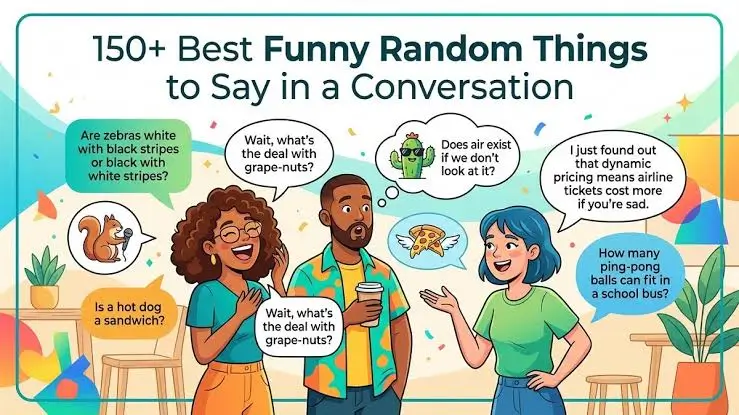
Humorous conversation can turn an ordinary conversation into a memorable moment. Whether it happens between friends, coworkers, family members, or strangers, a clever response can create laughter and build connection. Funny Exchange This guide explains what makes a humorous conversation effective, why it matters, and how beginners can create natural, entertaining dialogue without becoming offensive. With a few practical techniques, anyone can make everyday conversations more enjoyable.
What Is Conversational Humor?
A funny exchange is a short conversation in which two or more people respond to each other in an amusing, unexpected, or clever way. The humor may come from wordplay, exaggeration, misunderstanding, sarcasm, or an unexpected answer.
For example, someone might ask, “Did you finish the report?” and receive, “I finished thinking about finishing it.” The response is simple, but its unexpected wording creates humor.
Unlike a rehearsed joke, a funny exchange usually feels spontaneous.
Why Is a Funny Exchange Important?
Humor can make communication warmer and more memorable. A well-timed response can reduce tension, encourage participation, and help people feel comfortable with one another.
A funny exchange is not about getting the biggest laugh. It is about creating a positive moment while keeping the conversation natural and appropriate.
Step-by-Step Guide
1. Observe the Conversation
Listen carefully before trying to be funny. Notice unusual wording, small contradictions, or everyday situations that naturally invite a playful response.
2. Find a Simple Angle
Look for an easy humorous idea. If a friend says, “I only need five minutes,” you could reply, “Your five minutes have a very flexible schedule.”
3. Keep the Response Short
Short replies are often more effective because they preserve conversational rhythm. Avoid explaining the joke after delivering it.
4. Match the Audience
Consider the relationship, setting, and personality of the people involved. Friendly humor between close friends may not work in a formal meeting.
5. Use Timing
Pause briefly when appropriate, then respond naturally. Good timing can make an ordinary sentence sound much funnier.
Benefits
- Creates memorable conversations.
- Helps people relax in social situations.
- Encourages stronger interpersonal connections.
- Makes ordinary stories more entertaining.
- Can improve confidence in casual communication.
- Adds personality without requiring complicated jokes.
Risks or Disadvantages
- Humor can be misunderstood without the right context.
- Sarcasm may sound rude or dismissive.
- Sensitive topics can create discomfort.
- Repeated jokes may become predictable.
- Humor used at the wrong time can weaken professionalism.
Common Mistakes to Avoid
Another mistake is making the other person the target of every joke. A funny exchange should ideally make people feel included, not embarrassed. Avoid jokes involving sensitive personal traits, private information, or serious situations.
FAQs
What makes conversational humor effective?
Unexpected wording, good timing, relevance, and audience awareness usually make conversational humor work.
Can beginners create funny conversations?
Yes. Start by observing everyday situations and responding with short, playful comments rather than complicated jokes.
Is sarcasm always funny?
No. Sarcasm depends heavily on tone and familiarity. With the wrong audience, it can easily sound insulting.
Can humor improve communication?
Appropriate humor can make conversations more relaxed, engaging, and memorable while encouraging social connection.
Should workplace humor be avoided?
Not necessarily. Light, inclusive humor can work well, but professional settings require greater awareness of boundaries and context.
Expert Tips
For stronger conversational humor, focus on being genuinely attentive. The best humorous responses often come directly from something the other person has just said. That balance makes humor much easier.
Use contrast to create surprise. A serious question followed by an unexpectedly ordinary answer can be amusing without being offensive.
Another useful technique is playful exaggeration. If someone says they are extremely tired, responding that they “have already retired mentally” can add personality without attacking anyone.
Finally, know when to stop. One good line can be more effective than several attempts. Let the conversation continue naturally after the laugh.
Conclusion
A funny exchange does not require complicated comedy skills. It begins with listening, noticing opportunities, and responding in a way that feels relevant and natural. The strongest examples use simple language, unexpected ideas, good timing, and respect for the audience. By practicing these habits, beginners and intermediate communicators can become more comfortable with conversational humor. Remember that the goal is not simply to make people laugh; it is to create a positive shared moment. When humor feels effortless, appropriate, and inclusive, even an ordinary conversation can become memorable.
