
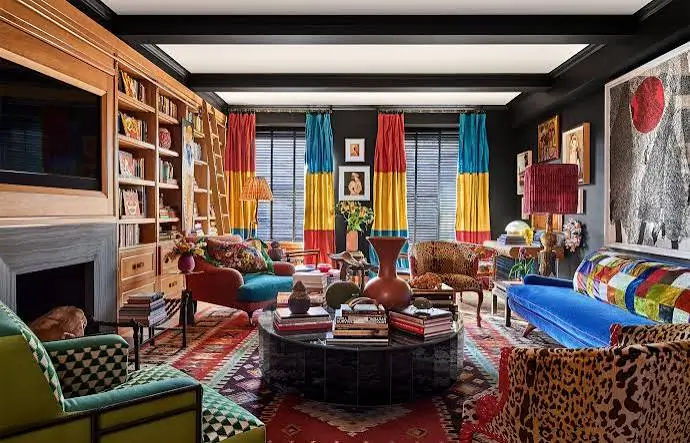
Creating a stylish home does not necessarily mean spending a fortune on expensive furniture or following every new design trend. The most inviting interiors are usually the ones that combine personality, comfort, functionality, and thoughtful decoration. Whether you are refreshing a single room or planning a complete home makeover, the right ideas can transform an ordinary space into a place that feels modern and welcoming.
The HOMETOGEL approach to home decoration focuses on practical choices, contemporary aesthetics, and flexible design ideas that can work in different types of homes. From natural materials and calming colors to clever storage and statement lighting, modern decorating is all about making your space look beautiful while ensuring it works for everyday life.
1. Embrace a Clean and Comfortable Modern Style
Modern interior design is often associated with clean lines, uncluttered spaces, and simple furniture. However, a modern home does not have to feel cold or empty. One of the biggest decorating trends is the combination of minimalist forms with warm, comfortable details.
Choose furniture with straightforward shapes and avoid filling every corner of a room. Then introduce softness through cushions, rugs, curtains, blankets, and textured fabrics. This creates a balanced interior that feels organized without losing its cozy character.
A simple sofa, wooden coffee table, neutral rug, and a few carefully selected decorative objects can often make a stronger impression than a room packed with accessories.
2. Use Natural Materials to Add Warmth
Natural materials continue to be a popular choice for contemporary interiors. Wood, rattan, stone, linen, cotton, and woven materials can introduce texture and warmth while complementing both modern and traditional furniture.
Wooden furniture is particularly versatile. A natural wood dining table can become the focal point of a dining room, while wooden shelves can add both storage and decoration to a living room.
You do not need to redesign the entire room with natural materials. Small additions can make a difference. Consider a woven basket, wooden picture frame, cotton curtains, or a textured rug. These details can make a modern room feel more relaxed and connected to nature.
3. Choose a Thoughtful Color Palette
Color has a major influence on how a room feels. Modern decorating often uses neutral shades such as white, cream, beige, gray, and soft brown as a foundation. These colors can make spaces feel calm and provide flexibility when adding furniture and accessories.
However, an entirely neutral room can sometimes look flat. The solution is to introduce one or two accent colors. Deep green, navy, terracotta, muted blue, or warm yellow can add personality without overwhelming the space.
An easy strategy is the 60-30-10 rule. Use a dominant color for approximately 60 percent of the room, a secondary color for around 30 percent, and an accent color for roughly 10 percent. This gives your decoration a sense of visual balance.
4. Make Lighting Part of the Decoration
Lighting should not be treated as an afterthought. The right lighting can change the atmosphere of a room and highlight important decorative features.
Try combining several types of lighting rather than relying on a single ceiling fixture. Ambient lighting provides general illumination, task lighting helps with specific activities, and accent lighting can highlight artwork, shelves, plants, or architectural features.
Pendant lights can make a dining area more interesting, while floor lamps can create a cozy reading corner. Table lamps are useful for bedrooms, living rooms, and home offices.
Whenever possible, make use of natural light as well. Keep windows relatively unobstructed and choose curtains that allow daylight into the room when privacy requirements permit.
5. Bring Nature Indoors
Indoor plants are an easy way to add life and color to an interior. They can work with almost any decorating style, from minimalist apartments to traditional family homes.
Large plants can fill an empty corner, while smaller plants can decorate shelves, side tables, or windowsills. If caring for plants is difficult, choose varieties suited to your indoor conditions or use a small number of high-quality artificial plants as decorative accents.
Beyond plants, nature-inspired decoration can include botanical artwork, natural textures, earthy colors, and organic shapes. These elements can help create a calm and comfortable environment.
6. Create Functional Storage
A stylish home also needs to be practical. Clutter can quickly make even a beautifully decorated room feel disorganized, so storage should be an important part of your decorating plan.
Look for furniture that performs more than one function. Storage ottomans, beds with drawers, wall-mounted shelves, cabinets, and nesting tables can help you use available space efficiently.
Open shelving can display books, plants, photographs, and decorative objects, but avoid overcrowding it. Leave some empty space between objects to create a cleaner visual appearance.
For smaller homes, vertical storage can be particularly useful. Tall shelves and wall-mounted cabinets take advantage of unused wall space while keeping the floor relatively open.
7. Personalize Your Walls
Blank walls can make a home feel unfinished, but decorating them does not require expensive artwork. Create a gallery wall using family photographs, prints, illustrations, or artwork that reflects your interests.
For a more minimalist appearance, choose one large statement piece instead of several smaller decorations. Mirrors are another useful option because they can serve both decorative and practical purposes.
When arranging wall art, consider the proportions of the furniture beneath it. A small picture above a large sofa may look disconnected, while a properly scaled artwork can help visually anchor the entire area.
8. Focus on Texture
One of the simplest ways to make a modern interior more sophisticated is by layering different textures. A room can use a relatively simple color palette while still feeling rich and interesting when multiple materials are combined.
For example, pair a smooth sofa with a textured throw, a woven rug, wooden furniture, and ceramic accessories. In a bedroom, combine cotton bedding with a soft blanket, curtains, and a textured headboard.
Texture is especially valuable in neutral interiors because it adds depth without requiring dramatic colors.
9. Decorate According to Your Lifestyle
The most successful home decoration is based on how you actually live. A beautiful room that cannot accommodate your daily routine will quickly become frustrating.
If you regularly work from home, create a dedicated workspace with appropriate lighting and comfortable furniture. If your family spends most evenings together in the living room, prioritize comfortable seating and practical surfaces. If you enjoy cooking, organize the kitchen so frequently used items are easy to access.
Instead of copying a room directly from a magazine or social media post, use inspiration as a starting point and adapt it to your needs.
10. Refresh Your Interior Without a Complete Renovation
You do not always need major construction to give your home a fresh appearance. Small changes can have a surprisingly large impact.
Start by rearranging furniture to improve movement through the room. Replace outdated cushions or curtains, add a new rug, introduce plants, update lighting, or reorganize decorative objects.
Another simple technique is to remove items that no longer serve a purpose. Decluttering can make existing furniture and decoration look more intentional.
If you have a limited budget, prioritize items that you interact with every day, such as lighting, seating, bedding, or storage. These changes can improve both the appearance and functionality of your home.
Final Thoughts
Modern home decoration is not about creating a perfect showroom. It is about designing a space that reflects your personality while supporting the way you live. The HOMETOGEL approach combines contemporary style with practical solutions, allowing you to create an interior that feels comfortable, organized, and visually appealing.
Start with a clear color palette, introduce natural materials, improve your lighting, add meaningful decoration, and make storage part of the design. Most importantly, avoid trying to change everything at once. A home can evolve gradually as you discover what works best for you.
Whether you are decorating a small apartment, updating a family home, or simply looking for a seasonal refresh, thoughtful choices can make a significant difference. With a little planning and creativity, modern design can be both stylish and practical—and your home can become a space that genuinely feels like your own.
