
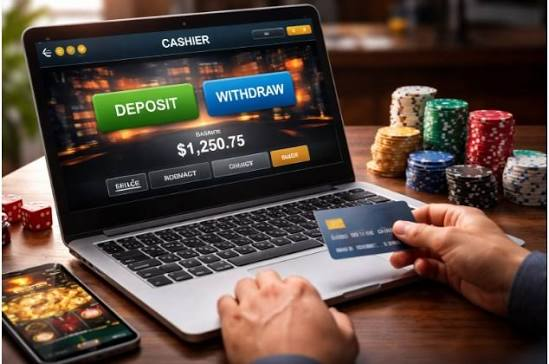
Online platforms have changed how adults access digital entertainment, including games that involve financial stakes. Before interacting with any service that accepts real-money wagers, it is important to understand its legal status, payment policies, security measures, and potential financial consequences. Researching online gambling real money can help readers identify the main considerations involved in these websites and make informed decisions about online safety.
A professional-looking website does not automatically mean that an operator is legitimate, secure, or legally authorised. Users should look beyond advertisements and promotional offers to examine the company’s identity, applicable regulations, account conditions, and policies for handling customer information.
1. Check Whether Online Gambling Is Legal in Your Location
Legal requirements should be the first consideration when researching a real-money gambling website. Rules differ between countries and regions, and an operator that is authorised in one jurisdiction may not legally provide services to residents of another.
For example, gambling laws in the United Kingdom include a regulatory framework overseen by the Gambling Commission. In other locations, certain online betting or casino activities may be restricted or prohibited.
People in Pakistan should be particularly cautious because gambling is generally prohibited under applicable laws, and authorities have taken action against online betting and gambling services. An overseas website’s registration or licence does not automatically make its services lawful for someone accessing it from Pakistan.
Before considering any platform, consult reliable government sources or qualified legal professionals familiar with local requirements. Do not assume that a website is permitted simply because it opens in a browser or accepts registrations.
2. Verify the Website’s Identity and Licensing
A website’s identity provides important clues about its accountability. Before sharing personal information, examine the operator’s registered business name, contact information, terms of service, and privacy policy.
If online gambling is legally permitted in your jurisdiction, check the operator’s licence through the relevant official regulator. Confirm that the licence belongs to the same company operating the website and covers the specific services being offered.
Be careful with websites that display regulatory logos without providing verifiable details. A licence belonging to a different company or an unrelated website does not establish that the service you are viewing is authorised.
Independent verification is more useful than promotional claims. If you cannot establish who operates a website or determine whether it is legally authorised to serve your location, avoid sharing sensitive information or sending money.
3. Understand the Financial Risks
Real-money gambling involves the possibility of losing the amount wagered. Unlike ordinary purchases, where a customer receives a product or service of an agreed value, gambling outcomes are uncertain and may result in a complete loss of the stake.
Some games include a mathematical advantage for the operator. This means that their expected long-term results may favour the house, although individual outcomes can vary. Previous wins, recent losses, and betting systems cannot guarantee future success.
It is also important to avoid viewing gambling as a way to solve financial problems. Using borrowed money, savings intended for essential expenses, or funds needed for household responsibilities can create serious difficulties.
A sensible financial approach begins with recognising that gambling is not a reliable source of income. Anyone who cannot comfortably afford to lose money should not risk it on uncertain outcomes.
4. Review Payment Methods and Withdrawal Conditions
Websites that handle financial transactions may have specific rules for deposits, withdrawals, verification, fees, and processing times. These details should be examined carefully before any transaction is considered.
Read the terms to understand whether the operator imposes minimum or maximum transaction amounts, identity checks, withdrawal limits, or additional restrictions. Make sure the policies are clear and consistent with applicable laws.
Unexplained requests for extra payments to release an existing balance can be a warning sign of fraud. Do not send additional money merely because an unfamiliar representative claims that it is necessary to unlock funds or complete a withdrawal.
Keep copies of relevant transaction records and communications when appropriate. Never disclose passwords, one-time verification codes, or complete banking credentials to people claiming to offer account assistance.
5. Examine Privacy and Cybersecurity Practices
Online services may collect names, email addresses, identification documents, payment details, and other personal information. A website should clearly explain what it collects, why the information is needed, how it is protected, and when it may be shared.
Look for a detailed privacy policy and secure account-management options. An HTTPS connection is useful for protecting information in transit, but it does not prove that the website itself is trustworthy.
Use unique passwords for different accounts and enable multifactor authentication when available. Keep devices updated, avoid logging into financial accounts on shared computers, and be cautious about downloading unfamiliar applications.
Unexpected messages requesting urgent account verification should also be treated carefully. Rather than following suspicious links, independently locate the organisation’s official contact information and verify the request.
6. Read Bonus Terms and Promotional Offers
Promotional advertisements may highlight welcome bonuses, free credits, or other incentives. However, the headline offer may not explain all the conditions that apply.
Some promotions include wagering requirements, minimum deposits, expiry dates, restricted games, or limitations on withdrawing funds. These terms can significantly affect the practical value of an offer.
Read the complete conditions instead of relying on short advertisements or claims made through social media. Be cautious when a promotion promises guaranteed profits, effortless earnings, or risk-free returns.
If the rules are confusing or the operator refuses to explain them, consider that a reason to avoid the service. Transparent conditions are an important part of evaluating any online business.
7. Recognise Warning Signs of Unreliable Websites
Not every website offering online entertainment deserves trust. Certain warning signs can indicate poor business practices or potential scams.
These include missing company information, unverifiable licences, unrealistic financial promises, unclear withdrawal policies, copied website content, and pressure to deposit money quickly. Fake reviews and misleading endorsements can also make an unreliable service appear more credible than it is.
Another concern is the use of unofficial customer-support accounts that request private information or additional payments. Genuine support procedures should be explained through verifiable channels.
Avoid websites that encourage users to bypass local restrictions, provide false identity information, or conceal financial transactions. If a service appears suspicious, stop interacting with it and consider reporting the issue to the relevant authorities.
8. Understand Responsible Gambling and Personal Limits
Where gambling is legal, responsible participation means recognising the risks and maintaining control over personal decisions. It should never interfere with essential spending, employment, education, family responsibilities, or personal well-being.
People who legally choose to gamble should establish firm financial and time boundaries before participating. They should also avoid chasing losses, borrowing money, or increasing their spending in response to disappointment.
If available, account limits, time reminders, temporary breaks, and self-exclusion options can help users manage their behaviour. However, these tools do not eliminate the underlying possibility of financial loss.
If gambling becomes difficult to control or causes distress, seeking help from a qualified professional or recognised support organisation can be an important step. Avoiding gambling altogether is the safest option for anyone experiencing gambling-related harm.
Conclusion
Before using any real-money gambling website, readers should understand local laws, verify the operator’s identity, examine security policies, and recognise the possibility of financial loss. Payment conditions, promotional restrictions, privacy practices, and customer-support procedures also deserve careful attention.
Researching online gambling real money should begin with reliable information rather than advertising promises. No website can guarantee gambling profits, and an overseas licence does not override local restrictions. By prioritising legal compliance, protecting personal information, and avoiding financial risks, readers can make more informed decisions about online services and protect their financial well-being.
