
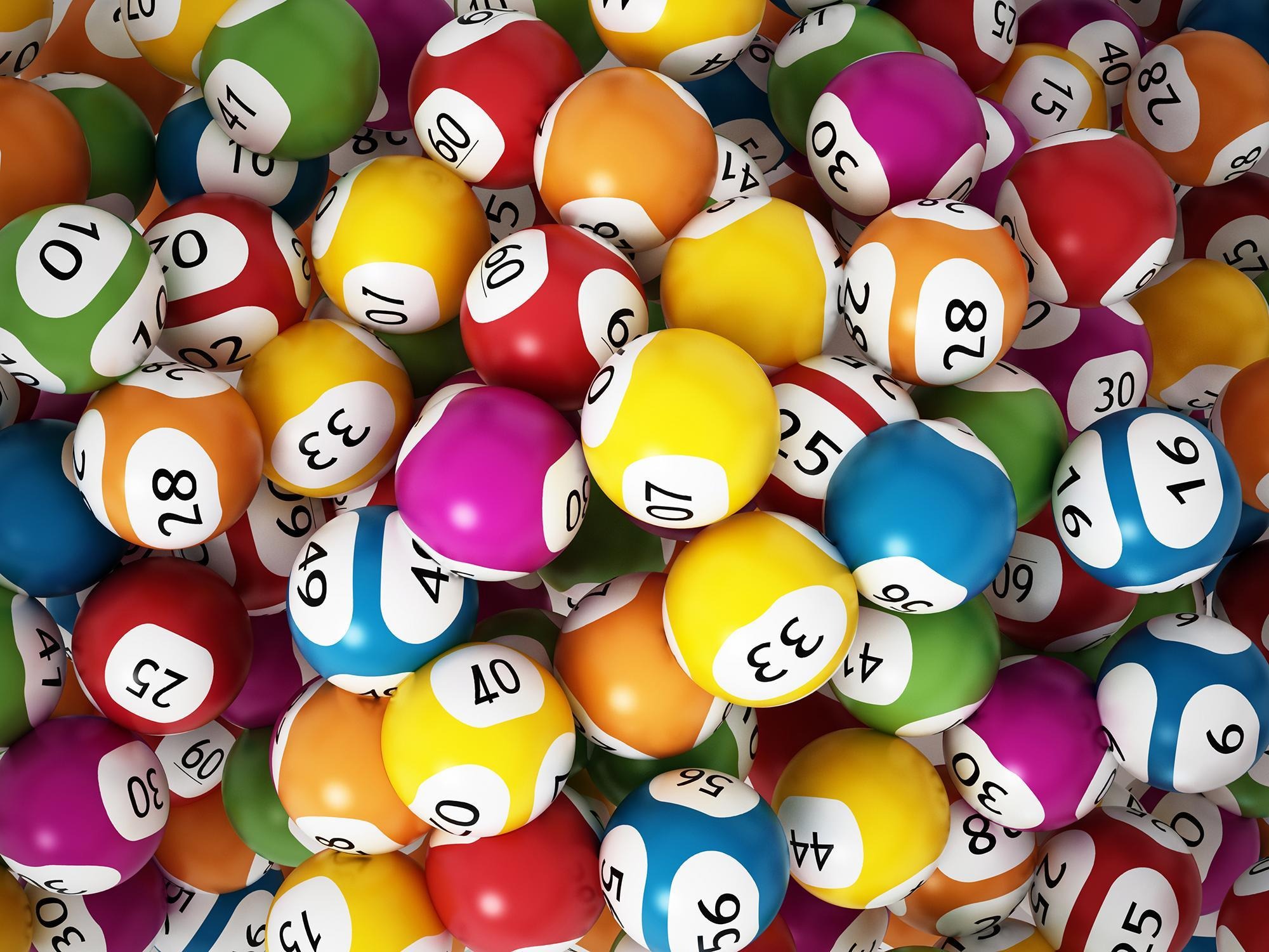
The draw is the heartbeat of lottery play, and results are its sound. Everything before — choosing numbers, buying the ticket — is anticipation; everything after is arithmetic. Trio treats results as a headline feature rather than an afterthought, with prompt publication, automatic ticket matching, a searchable archive, and live draw coverage that lets you follow the numbers as they are announced. This guide explains how each piece works and how to build a result-checking routine that is fast, accurate, and just a little bit ceremonial, the way draw night deserves.
Publication speed is the foundation. As soon as the official numbers are confirmed, the results page updates and the winning set appears at the top of the archive, dated and labelled by draw. Trio synchronises its publication with the official announcement, so what you read is the authorised result, not a rumour from social media. Beneath the headline numbers, prize tiers show what each matching combination pays. For players, that single page replaces the old scramble of radio reports, shop notices, and forwarded messages of uncertain accuracy.
Prompt, Official, and Easy to Read
Automatic matching is where the system earns its keep. Every ticket in your account is compared against the winning numbers the moment results publish, and Trio marks each ticket with its outcome and credits any prize to your wallet without a claim. The account history shows the settlement as a transaction you can review later. This matters most on the draws you forget: a ticket bought early in the week and ignored still pays out if it wins. Manual checking is charming tradition; automatic matching is insurance against your own busy life.
Live draw features add theatre to accuracy. During a draw, Trio presents the numbers as they are announced, building the winning set ball by ball on the results page, so you can follow along in real time wherever you are. Watching live suits the flagship draws especially, when group chats light up and families gather around a phone. If you miss the live window, nothing is lost: the same page settles into the final result and the archive entry. Live coverage is a layer over the official record, not a replacement for it.
Following the Draw Live
Notifications close the loop for players who cannot watch. Opt in, and Trio sends a results alert when the draw settles, with a tap taking you straight to your matched tickets. The alert arrives whether your ticket won or not, which keeps the routine honest and habit-forming. Players who buy for a syndicate appreciate that everyone can receive the same alert at the same moment, ending disputes about who saw what first. Notification settings live in your account, so you can keep results alerts while muting everything else the platform might occasionally want to say.
The archive is the quiet powerhouse of the results system. Every past draw on Trio is stored with its full winning numbers and prize breakdown, searchable by date, so verifying an old ticket months later takes seconds. Number-watchers use the archive differently: they study frequency, recent patterns, and long gaps before choosing their next set, fully aware that past draws do not change future odds but enjoying the analysis anyway. Teachers of the game — the friend who explains prize tiers to newcomers — use the archive as their textbook. One feature, three very different kinds of value.
The Archive: Verification and Number Study
Accuracy deserves its own paragraph because everything depends on it. The numbers that Trio publishes mirror the official Lao lottery announcement exactly, and any player can audit them against the official source for a given draw. That auditability is the trust backbone of the whole platform: if the numbers were ever wrong, nothing else would matter. The archive’s permanence helps too, because a result that can be re-checked a year later cannot be quietly altered. When you build your routine on published, permanent, auditable numbers, disputes become rare and refreshingly short.
Prize breakdowns complete each result. Alongside the winning numbers, Trio lists every tier and its payout, so you can see not only whether you won but how the near-misses paid and what the next tier up would have meant. This transparency shapes smarter play over time: players learn which formats return small wins often and which concentrate value at the top. The per-draw breakdown also lets syndicates divide winnings without debate, since the arithmetic is printed on the same page as the numbers. A result is data; a breakdown turns that data into understanding.
Prize Breakdowns That Explain the Result
A good results routine is short enough to keep. When the alert arrives, open your matched tickets first, then glance at the full result and the breakdown, then check the archive entry if you keep records of your own. Trio is arranged so that this sequence takes under a minute, which means you will actually do it after every draw rather than only after hopeful ones. Consistency matters because records compound: a season of checked results is the raw material for honest reflection on what you spend, what you win, and how you want to play next season.
Live features also change the social texture of draw time. Families in different houses follow the same live page, friends compare matched tickets in the group chat the moment Trio settles them, and the shared suspense survives the move online. The ceremony of the draw — that held breath as the final number lands — turns out to be portable. What the platform adds is certainty at the end of the ceremony: no misheard numbers, no arithmetic arguments, just the official set, matched and recorded. Tradition keeps the emotion; the system keeps the score.
The Social Side of Draw Time
Results are where a lottery platform either earns trust or loses it, and the design on display here understands that. Prompt official publication, live coverage for those who love the theatre, automatic matching for those who forget, and a permanent archive for those who verify — Trio covers every checking style a player can have. Build the one-minute routine, keep your notifications tuned to results, and let the archive be your memory. Then the draw stays what it should be: a moment of hope, settled cleanly, with the numbers beyond argument.
