
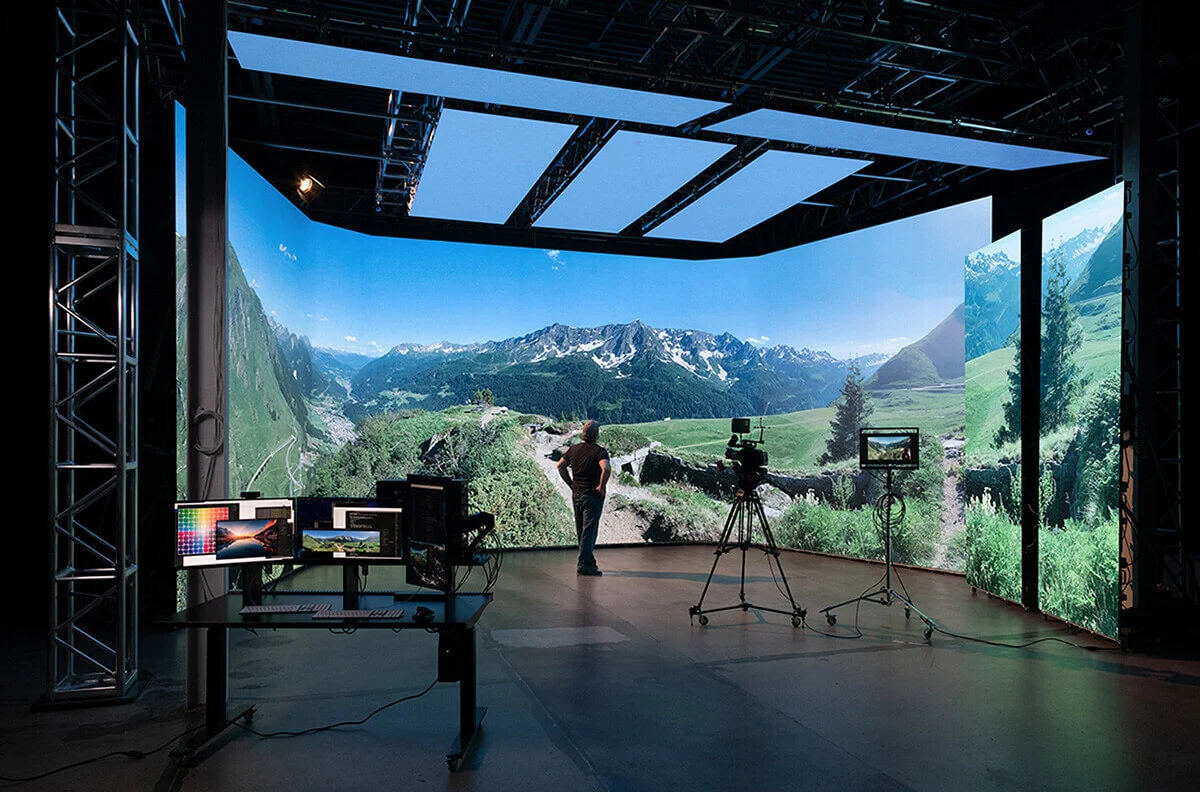
A convincing film world is built from more than actors, cameras, and visual effects. Sets, props, lighting rigs, camera supports, and other physical equipment help make a story feel real, whether the scene takes place in a familiar home or a distant fantasy kingdom. The work behind these objects is easy to overlook, but it has a direct effect on what audiences see and feel on screen. As productions adapt to tighter schedules and changing technology, the people who design and build their hardware are becoming an important part of the entertainment landscape.
The Physical Craft Behind an Imaginary World
Set construction and prop-making combine practical engineering with creative problem-solving. A door may need to look weathered while opening smoothly for several takes. A handheld object must appear believable in close-up and remain safe for performers. A raised platform has to suit the visual design while supporting equipment and crew. These details rarely draw attention by themselves, yet a poorly made or unreliable item can interrupt a scene and make a carefully created world feel less convincing.
Film and television teams also work across a wide range of materials. Timber, metal, foam, plastics, fabrics, and newer composites may all appear in one production. The choice depends on the object’s purpose, how it will be filmed, how often it must be used, and whether it needs to be moved between locations. Good planning can reduce waste and avoid last-minute repairs, while a thoughtful design can make a modest set look expansive on camera.
When Hardware Has to Meet the Camera
Equipment designed for construction or industrial use is not always suited to a film set without adjustment. A support needs to be stable but may also have to fit into a cramped location. Fasteners and connectors must hold securely while allowing the crew to assemble and dismantle a structure quickly. Surfaces may need to take paint, imitate another material, or avoid reflecting studio lights. The final result has to work both in the physical space and through the camera lens.
This makes communication between designers, builders, production managers, and suppliers especially valuable. Clear drawings, material specifications, and realistic schedules help a creative idea survive the move from concept to finished set. Businesses working in construction hardware and materials can also share practical knowledge with this audience. For those looking for publication opportunities in that specialist area, hardware development guest-posting sites can help identify blogs and websites whose readers follow construction products, materials, and industry developments. Relevant articles can explain a technique or design challenge rather than simply promote a product.
Smaller Productions Need Flexible Workflows
Large studios may have dedicated departments for procurement, administration, and production logistics. Independent filmmakers, online video teams, and small production companies often rely on a smaller core group. That can leave creative staff juggling invoices, schedules, supplier messages, travel arrangements, and file organisation alongside their main work. When these tasks accumulate, preparation time gets squeezed and small oversights can become expensive on set.
Some teams address the pressure by bringing in remote support for clearly defined administrative or creative tasks. A virtual assistant might organise calendars, maintain contact lists, arrange meetings, track routine paperwork, or help prepare research. The best fit depends on the project: a producer may need a few hours of help each week, while a busy company could require more consistent support. Before handing over work, it is sensible to agree on responsibilities, access to files, communication hours, confidentiality, and how progress will be reviewed.
For UK-based teams considering this option, a practical overview of hiring a freelance virtual assistant UK can clarify typical costs, hiring steps, and the differences between local and offshore support. A freelance marketplace such as Osdire offers services across areas including writing, design, marketing, and technology, so a production team can look for help that matches a particular task. As with any contractor, it is wise to start with a defined brief and a manageable first assignment before expanding the arrangement.
Keeping Creative Work and Practical Work in Balance
Delegating routine work does not replace the judgement of a producer or the expertise of a fabricator. It can, however, give those specialists more time to make decisions that require their experience. A production still needs someone to check that materials meet safety requirements, that a prop behaves as intended, and that a set can be built within the available budget. Remote assistance works best when tasks are documented and the person responsible for approving decisions remains clear.
Technology can also make collaboration easier. Shared schedules, digital plans, and organised production files allow teams in different places to follow updates without relying on scattered messages. For physical builds, photos and measurements can help a designer explain a change to a workshop or supplier. These tools are most useful when they support a simple process rather than create another layer of administration.
Conclusion
Audiences may remember a performance, a striking location, or a dramatic sequence, but those moments depend on many practical choices made before filming begins. Hardware, materials, props, and set construction give stories a tangible foundation. Clear communication and well-planned support can help productions of every size manage that work more effectively. When creative teams make room for both skilled craftsmanship and sensible organisation, the result is more than a functional set: it is a screen world that viewers can believe in.
