
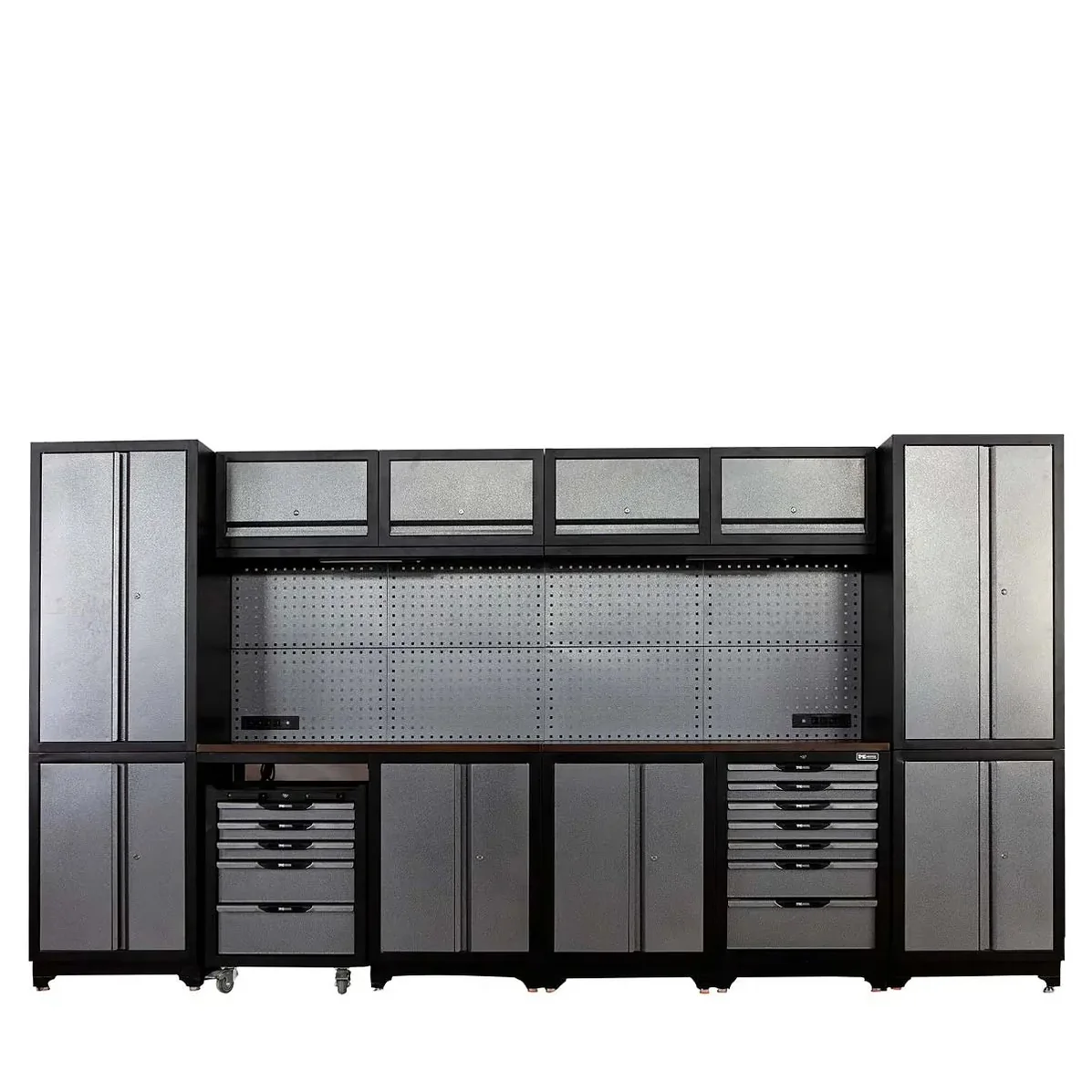
Storage that plugs in
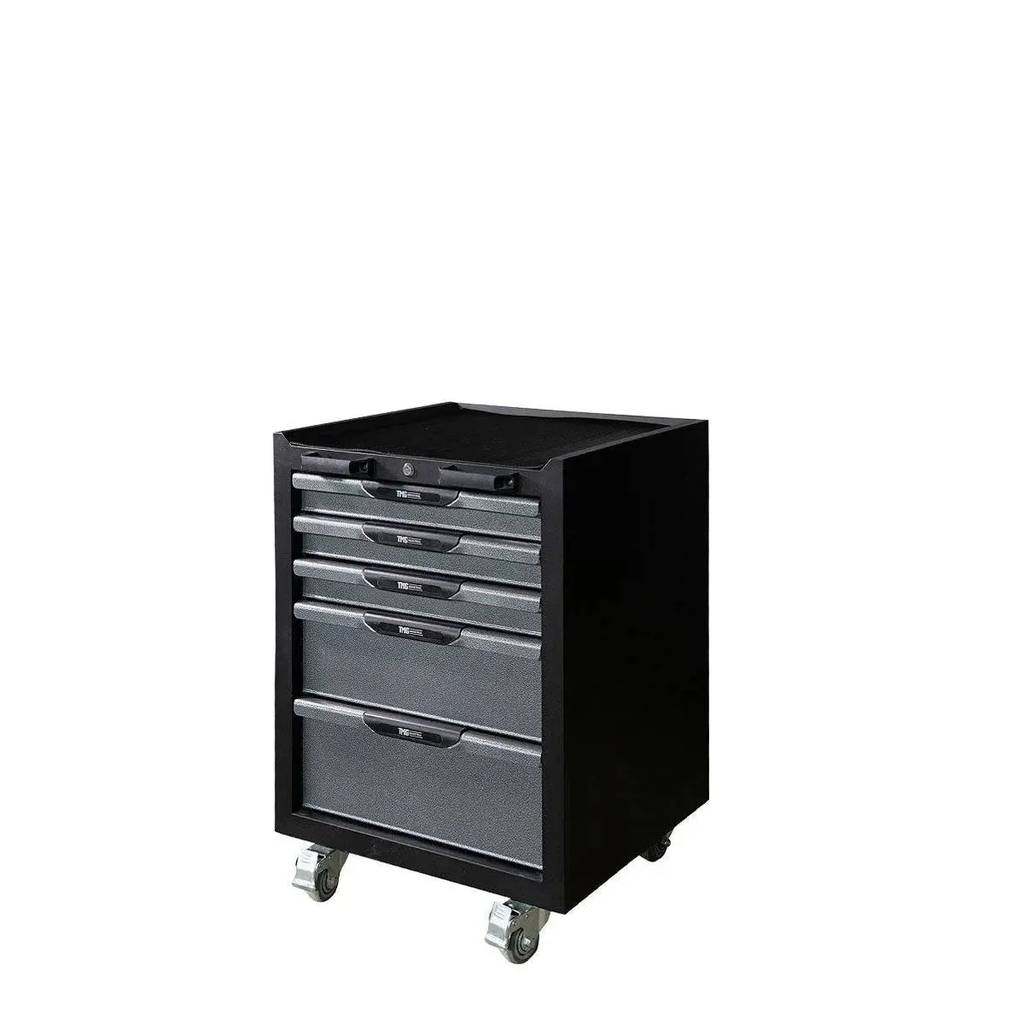
A tool cabinet used to be a steel box with drawers. Many now include power outlets, USB ports and lighting built into the bench, which turns the storage wall into the place where batteries charge, drills get plugged in and small jobs happen. That convenience brings electrical questions a plain cupboard never raised, and they are easier to settle while the garage is being reorganised than after every drawer is full.
One lead feeds every outlet on the bench
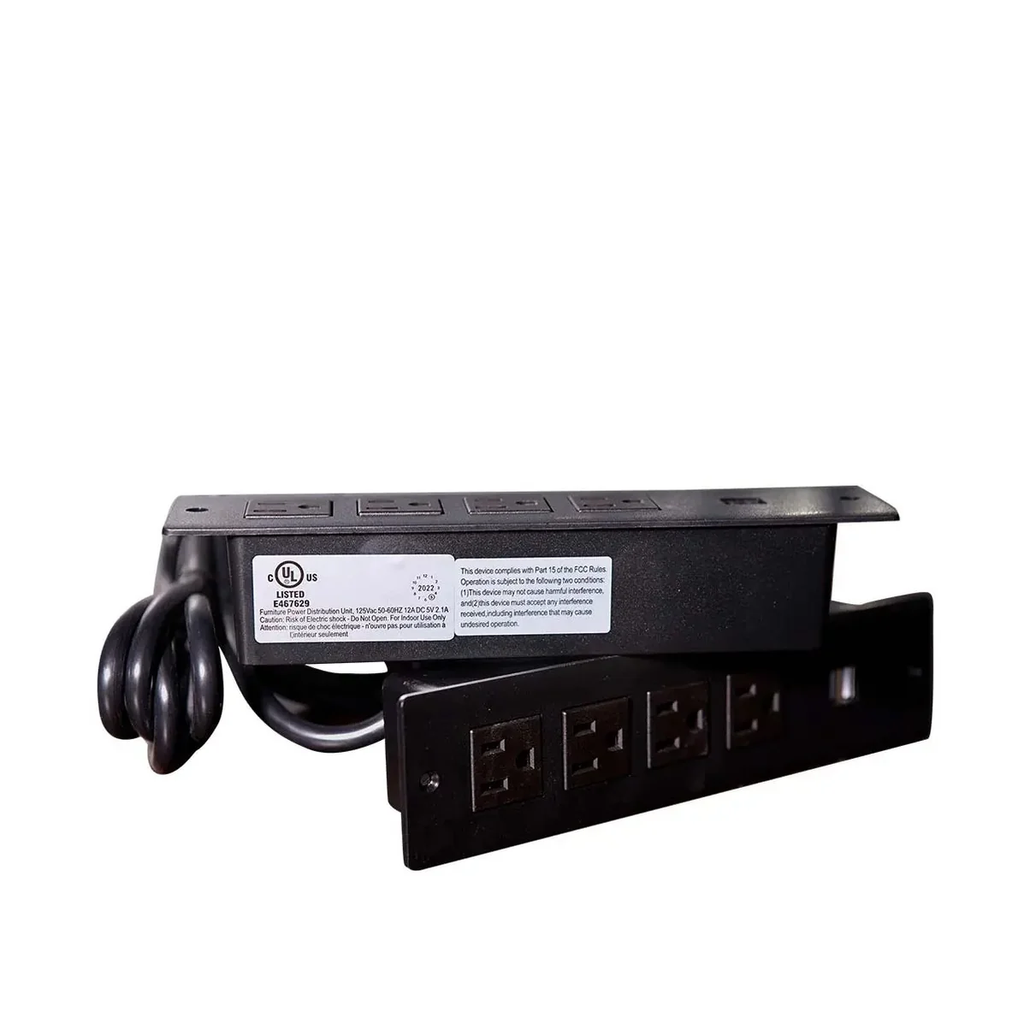
However many outlets a bench carries, they usually draw through a single cord back to one wall socket. Several tools running at once add their loads together on that cord. Some items are better plugged straight into the wall:
- Welders and air compressors
- Heaters and kettles
- Battery chargers left running overnight
- Extra power boards or double adaptors
Plugging the bench into a socket protected by an RCD, often called a safety switch in Australia, adds a layer of protection against electric shock. Rating limits printed on the unit or in the manual show how much the outlets can carry.
Batteries and warming weather
Spring cleaning is a common time to sort out garage storage, and it comes just before summer heat builds up inside closed garages. Lithium-ion tool batteries are sensitive to heat. Charging them on a hard, non-combustible surface, away from rags and solvents, and following the maker’s guidance on temperature is safer than leaving them charging in a hot corner.
A workbench with storage changes how the light falls
Overhead garage lights often sit behind the person at the bench, so their own shadow falls across the work. Lamps mounted above the bench surface light it from the front. Motion-sensor lamps switch on when someone approaches, so hands stay free while carrying parts. Magnetic mounts let a lamp be moved closer to fiddly work, such as reading small markings on sockets or threading a fitting under the bench.
Pegboard works best with outlines
Pegboard above a garage tool cabinet puts often-used tools in plain sight instead of buried in a drawer. Tracing each tool’s outline with a marker once it is hung makes a missing item obvious at a glance, which helps in a shared garage where tools get borrowed and not returned. Heavier items such as grinders sit better in low drawers than on hooks at head height.
Locks and the roll-out chest
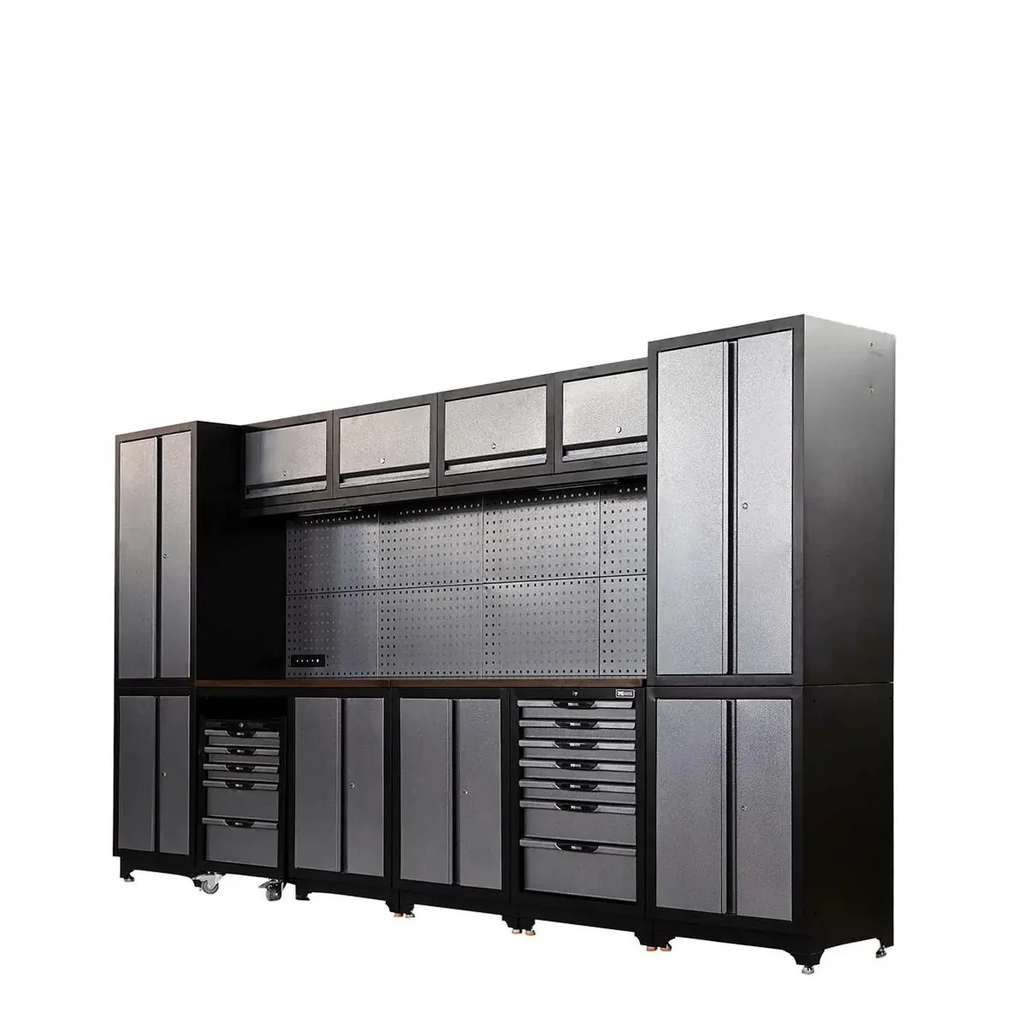
Cabinet drawers often hold sharp blades, fuel additives and chemicals as well as tools. Keyed-alike locks mean one key opens every door and drawer, which makes it more likely they actually get locked when children are around.
A steel tool cabinet anchors the wall, while a tool cabinet on wheels, such as a roll-out mini chest, brings a working set of tools to the car or mower. It is worth rolling it back after each job so it does not become a trip hazard in a garage that also holds a car and bicycles.
Plan the power and the keys first
Before loading drawers, it pays to decide where the bench lead will plug in, what stays on wall sockets and who holds the keys. The 3.8 m steel cabinet and workbench from TMG Industrial combines pegboard, outlets, USB ports, motion-sensor lamps and keyed-alike locks, and those features work best when they are set up with that plan in mind.
