
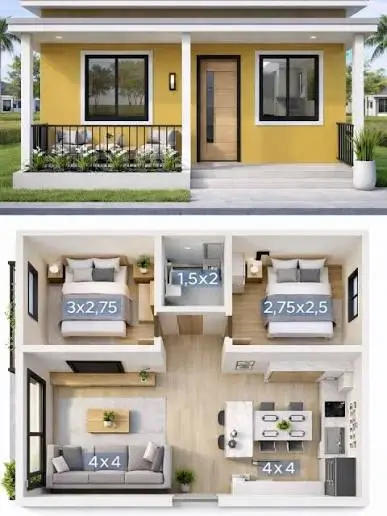
A comfortable home is not necessarily the largest or most expensive one. In many cases, better everyday living comes from thoughtful planning, practical organization, good lighting, comfortable furniture, and making better use of the space already available. HOMETOGEL home planning can be viewed as a structured approach to improving different areas of a home while keeping comfort, functionality, and personal needs at the center of every decision.
Whether you are planning a complete home improvement project or simply want to make a few useful changes, having a clear plan can help prevent unnecessary spending and reduce the stress that often comes with home projects. Instead of changing everything at once, it is usually more effective to identify priorities and improve the home step by step.
What Is HOMETOGEL Home Planning?
HOMETOGEL home planning can be understood as a practical method for organizing and improving living spaces according to the needs of the people who use them. It involves looking at the current condition of a home, identifying areas that could work better, setting priorities, and creating a realistic improvement plan.
The process does not have to involve major construction or expensive renovations. Small improvements can have a noticeable effect. Rearranging furniture, improving storage, changing lighting, clearing clutter, or creating a more functional workspace can all contribute to a more comfortable home.
The key is to focus on how a space is actually used rather than simply following trends.
Step 1: Evaluate Your Current Home
Before buying anything or starting a project, take time to evaluate the existing space. Walk through each room and consider what works well and what creates problems.
Ask simple questions:
Is the room easy to move around?
Does it have enough storage?
Is the lighting suitable?
Is furniture positioned efficiently?
Are there areas that remain unused?
Which improvements would make everyday tasks easier?
Writing these observations down can make the planning process more organized. You may discover that some problems can be solved without major changes.
For example, a crowded living room might need better furniture placement rather than new furniture. Similarly, a disorganized kitchen may benefit more from improved storage than from a complete remodel.
Step 2: Set Clear Priorities
Once you understand the current condition of your home, decide which improvements matter most.
A useful approach is to divide projects into three groups: essential improvements, comfort improvements, and optional upgrades.
Essential improvements could include repairing damaged areas, addressing lighting problems, improving ventilation, or fixing storage issues. Comfort improvements might include better seating, window coverings, or a more practical bedroom arrangement. Optional upgrades can be considered after the more important work is complete.
Prioritizing projects helps prevent a common problem: starting too many improvements at the same time and finishing none of them properly.
Step 3: Plan Your Budget
A realistic budget is one of the most important parts of home planning. Before purchasing materials or furniture, estimate how much each project may cost.
Create separate categories for furniture, materials, tools, professional services, and unexpected expenses. Keeping a small contingency amount can also help when a project costs more than originally expected.
Budgeting does not mean choosing the cheapest option for everything. Instead, it means deciding where spending more could provide genuine long-term value and where a simpler solution is sufficient.
For smaller projects, compare several options before purchasing. Measurements, quality, durability, maintenance requirements, and warranties can all be more important than appearance alone.
Step 4: Improve Space and Storage
Good space planning can make a home feel more comfortable without increasing its physical size.
Start by removing items that are no longer useful. Clutter can make rooms feel smaller and can make everyday activities more difficult.
After decluttering, look for practical storage opportunities. Shelves, cabinets, baskets, drawer organizers, and multifunctional furniture can help keep frequently used items accessible while reducing visual clutter.
Storage should also match the way a room is used. Everyday items should be easy to reach, while seasonal or rarely used belongings can be stored in less accessible areas.
Step 5: Focus on Lighting
Lighting can significantly affect how a room feels and functions.
Whenever possible, make good use of natural light. Keep windows unobstructed and consider how curtains or blinds affect daylight throughout the day.
Artificial lighting should serve different purposes. General lighting provides overall visibility, while task lighting can help with activities such as reading, studying, cooking, or working. Accent lighting can be used to highlight architectural features or decorative areas.
A combination of lighting types often creates a more flexible environment than relying on one bright ceiling fixture.
Step 6: Choose Furniture Carefully
Furniture should fit both the room and the lifestyle of the people using it.
Before purchasing a large item, measure the available space carefully. Remember to measure doorways, hallways, stairways, and elevators when necessary. A piece of furniture that looks suitable in a showroom may not work well if it cannot be moved into the room easily.
Comfort and practicality should also be considered. Furniture that looks attractive but makes movement difficult may reduce the usefulness of the space.
For smaller homes, multifunctional furniture can be especially useful. Storage beds, compact desks, extendable tables, and other flexible pieces can provide additional functionality without taking up unnecessary space.
Step 7: Create Comfortable Everyday Zones
Instead of thinking only in terms of rooms, consider creating specific zones for different activities.
A living room might include a conversation area, reading corner, or entertainment zone. A bedroom could have separate areas for sleeping, dressing, and studying. A larger kitchen might include dedicated preparation, cooking, and dining areas.
Creating zones helps each part of the home serve a clear purpose. It can also make shared spaces easier to use when several people are doing different activities.
Step 8: Consider Maintenance
A good home plan should be easy to maintain.
When selecting finishes, furniture, and storage solutions, think about cleaning requirements and durability. Materials that require constant maintenance may become inconvenient over time.
Keep frequently cleaned surfaces accessible and avoid creating unnecessary hard-to-reach spaces. A simple home that is easy to maintain can often provide more practical comfort than a highly complicated design.
Step 9: Add Personal Details
Once the practical improvements are complete, personal touches can make a home feel more welcoming.
Artwork, photographs, plants, books, textiles, and decorative objects can add character without requiring major renovations. The goal is not to fill every available surface but to choose items that have meaning or contribute to the atmosphere you want.
Personalization works best when it complements the function of the room rather than interfering with it.
Step 10: Review the Results
Home planning should be an ongoing process rather than a one-time project.
After making changes, spend some time using the space normally. Notice what has improved and what still feels inconvenient. You may discover that a small adjustment, such as moving a chair or changing the location of a storage container, solves a problem that initially seemed much larger.
Reviewing your home periodically also makes it easier to adapt the space as your routines and needs change.
Final Thoughts
HOMETOGEL home planning is ultimately about making a home work better for everyday life. A successful improvement plan does not need to involve expensive renovations or dramatic changes. Careful observation, sensible budgeting, better organization, appropriate lighting, functional furniture, and thoughtful use of space can make a meaningful difference.
The best place to begin is with the problems you experience every day. Identify them, prioritize the most useful solutions, and make changes gradually. By combining practical planning with personal preferences, you can create a home that feels more organized, comfortable, and suited to the way you actually live.
