
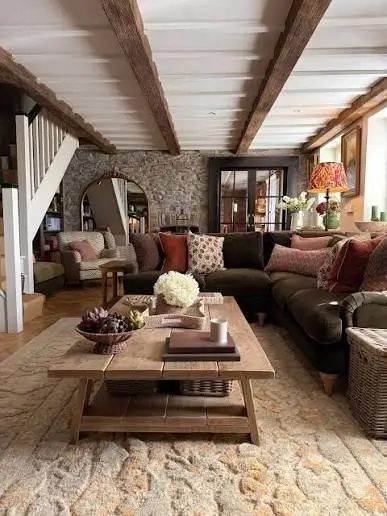
A home should be more than a place where you keep your belongings. It should support your routines, provide a sense of comfort, and reflect the personality of the people who live there. Creating such an environment does not necessarily require a complete renovation or a large budget. With thoughtful planning and gradual improvements, an ordinary interior can become a beautiful, organized, comfortable, and personalized living space.
HOMETOGEL Home Transformation represents a practical approach to improving a home from the inside out. The idea is to combine functionality with visual appeal while considering how each room is used every day. From decluttering and furniture placement to lighting, storage, colors, and personal decorations, every small decision can contribute to a more enjoyable home environment.
Begin With a Home Assessment
Before starting any transformation project, evaluate the current condition of your home. Walk through each room and consider what works well and what creates difficulties.
Ask yourself whether furniture is positioned effectively, whether storage is sufficient, whether rooms receive enough light, and whether frequently used items are easy to access. Also identify areas where clutter accumulates.
Writing down these observations can help you distinguish between genuine problems and changes that are simply based on trends. A home transformation should solve practical problems rather than create unnecessary work.
Create a Realistic Transformation Plan
Once you understand your home’s strengths and weaknesses, create a plan.
Start with the rooms or areas that have the greatest effect on everyday life. There is no need to transform the entire property at once. Completing one area before moving to another can make the process easier to manage.
Divide your plan into categories such as:
Essential repairs
Organization and storage
Furniture improvements
Lighting
Decorative changes
Personal touches
A clear plan can also make budgeting easier and reduce the temptation to make unnecessary purchases.
Declutter for a More Organized Home
Organization is one of the foundations of a successful home transformation.
Begin by sorting belongings into categories. Items that are used frequently should remain easy to access, while seasonal possessions can be stored in less accessible locations. Objects that are broken, duplicated, or no longer useful can be removed responsibly.
Avoid trying to organize everything by simply buying more containers. Storage products are helpful, but reducing unnecessary possessions often creates a bigger improvement.
Once you have fewer belongings to manage, assign a specific place for important everyday items. Keys, documents, chargers, clothing, kitchen tools, and other frequently used objects can each have designated storage areas.
Improve Furniture Placement
Furniture can influence both the appearance and functionality of a room.
Start by identifying the main purpose of each space. A living room might be designed around conversation and relaxation, while a bedroom should prioritize rest and convenient storage.
Leave clear pathways between furniture pieces and avoid blocking doors, windows, or important access points. Large furniture should be proportional to the room. An oversized sofa may dominate a small living area, while very small pieces may look disconnected in a large room.
You may discover that rearranging existing furniture creates a significant improvement without requiring new purchases.
Use Lighting Effectively
Lighting can transform the atmosphere of an interior.
Natural light should be used whenever possible. Keep windows relatively unobstructed and consider window treatments that allow you to control sunlight throughout the day.
Artificial lighting should serve different purposes. General lighting provides overall visibility, while task lighting is useful for reading, studying, cooking, or working. Smaller lamps can provide softer illumination in areas where bright overhead lighting is unnecessary.
Rather than using identical lighting throughout the home, consider the function and mood of each room.
Choose Colors With Purpose
Color is an important part of interior design, but it does not have to involve repainting every wall.
Neutral backgrounds can provide flexibility, while furniture, artwork, cushions, rugs, curtains, and other accessories can introduce additional colors.
When selecting a palette, consider the size of the room, amount of natural light, and colors of existing furniture. A consistent combination of tones can help different areas of the home feel connected.
Most importantly, choose colors that suit your preferences rather than changing your entire interior simply because a particular trend is popular.
Build Better Storage Solutions
A beautiful home can quickly become difficult to manage if storage is inadequate.
Look for unused vertical and horizontal spaces where appropriate. Shelves, cabinets, baskets, drawer organizers, and multifunctional furniture can provide useful storage while keeping everyday areas tidy.
Storage should be designed around actual habits. Items used every day should be easy to reach, while rarely used belongings can be stored in less convenient locations.
In compact homes, furniture that performs more than one function can be particularly useful. A desk with storage or a bed with built-in drawers can provide additional functionality without requiring more floor space.
Create Comfortable Living Areas
Comfort should remain a central part of any home transformation.
Choose furniture that supports the way you actually use each room. If a living room is primarily used for relaxing and conversation, comfortable seating and convenient tables may be more useful than decorative furniture that is rarely used.
Bedrooms should feel calm and uncluttered. A comfortable bed, suitable lighting, organized clothing storage, and limited distractions can contribute to a more restful environment.
Work and study areas should also receive attention. Appropriate seating, a practical desk arrangement, sufficient lighting, and organized supplies can make these spaces easier to use.
Add Personal Character
A transformed home should still feel personal.
Photographs, artwork, books, plants, handmade objects, travel souvenirs, and other meaningful possessions can give an interior its character. These details can make a space feel lived-in rather than like a generic showroom.
However, personalization does not mean displaying everything at once. Select a few items that have genuine meaning and arrange them thoughtfully.
Personal style can also appear through furniture choices, textiles, colors, and the way rooms are organized.
Bring Nature Into the Interior
Natural elements can add warmth and visual interest.
Indoor plants are one simple option, provided you choose varieties appropriate for the available light and the amount of care you can provide. Natural wood, woven materials, cotton, and other textures can also introduce variety.
If maintaining living plants is difficult, other natural-inspired decorative elements can provide a similar visual effect without requiring regular care.
Transform Your Home Gradually
Home improvement does not have to happen all at once.
A gradual approach allows you to learn what works before making larger changes. Complete one area, live with the changes for a while, and then decide what should happen next.
This approach can also help control spending. Instead of buying everything during one shopping trip, you can prioritize essential improvements and make additional purchases only when they solve a genuine need.
Maintain the Transformation
A successful transformation requires ongoing maintenance.
Create simple habits that keep clutter under control. Return frequently used objects to their designated places, review storage areas periodically, and remove belongings that are no longer useful.
It is also helpful to reassess rooms when your lifestyle changes. A space that worked well several years ago may need to be reorganized when work arrangements, hobbies, family routines, or other circumstances change.
Final Thoughts
HOMETOGEL Home Transformation is ultimately about creating a living environment that balances beauty with practical everyday needs. A successful home does not have to follow a particular design trend or contain expensive furniture. It should be comfortable, organized, functional, and reflective of the people who live there.
Start by assessing your existing space, remove unnecessary clutter, improve furniture placement, organize storage, and make thoughtful lighting and color choices. Once the fundamentals are working well, personal decorations and natural elements can add warmth and character.
The most meaningful transformation is one that improves how you actually live. By making intentional changes gradually, you can create a home that feels welcoming, works efficiently, and remains adaptable as your needs evolve.
