
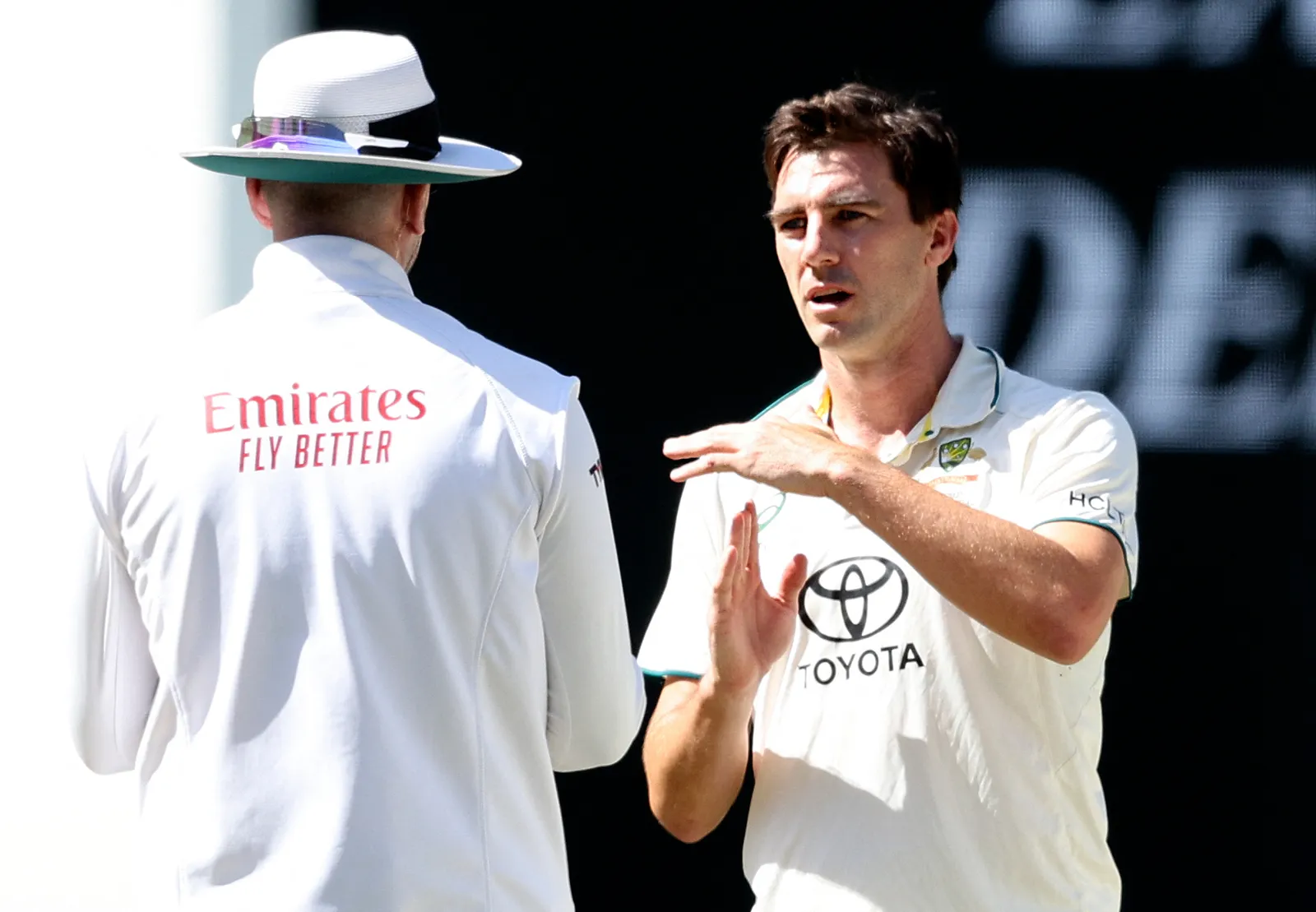
Modern cricket combines on-field umpiring with review systems that can help resolve close decisions. A replay may show a different angle, but the final ruling depends on the applicable laws and competition playing conditions. Readers following Lotus365 cricket coverage benefit from understanding how reviews work and why a scoreboard may change after an appeal. This guide introduces the basics of Decision Review System procedures, common dismissal reviews and the importance of waiting for confirmation.
The role of on-field umpires
On-field umpires manage the match, judge deliveries and dismissals, and apply the laws. Their decisions may be challenged through a review system where one is available. Not every decision is reviewable, and the number of reviews or the exact procedure depends on the competition. An appeal is not itself a dismissal: the umpire must make a decision under the rules. Commentary can explain the situation, but the official ruling determines what happens next.
What DRS can examine
The Decision Review System may use technologies and replay tools to assess particular types of decisions, depending on the competition. For example, a review may examine whether a batter was out LBW or whether a catch was cleanly taken. Ball-tracking, audio evidence or slow-motion footage may be used where approved. The available technology and decision process are not identical in every tournament, so articles should avoid implying that all matches use the same tools.
Understanding an LBW review
Leg before wicket decisions involve several conditions, including where the ball pitched, where it struck the batter, whether it would have hit the stumps and whether other rules apply. Ball-tracking may show a projected path, but the decision also depends on the laws and the original umpire’s call where relevant. It is easy for a short clip to omit a key detail. A reliable explanation should wait for the official review outcome and describe the reason accurately.
Catches, boundaries and run-outs
Reviews can also examine whether a catch was taken cleanly, whether a fielder touched the boundary while in contact with the ball, or whether a batter was short of the crease in a run-out. Camera angles can help, but evidence may be difficult to interpret. The third umpire applies the relevant standard and procedure. Viewers should avoid treating a single frame as conclusive when the official review is still underway.
Why scores and commentary change
A review may reverse an out decision, confirm a dismissal or correct the number of runs. Scorers may also adjust details after identifying an error in extras or attribution. Digital score feeds can update at different speeds, meaning one screen may briefly show an earlier state. When following a match, check timestamps and wait for a confirmed scorecard. If an online event is paused while a decision is reviewed, do not assume the displayed state is final.
Use confirmed information in cricket content
When preparing a Lotus365-related cricket article, separate the initial on-field call from the final decision. Use careful wording such as “the decision was reviewed” and then report the confirmed result. If the match rules are unclear, refer to the relevant competition’s playing conditions. Avoid suggesting that a review system eliminates every error or makes outcomes predictable. Online gaming remains uncertain, and no interpretation of a review guarantees profit. Check local laws and maintain personal limits.
Conclusion
Umpire decisions and review systems are part of cricket’s effort to apply the laws consistently, but procedures vary across competitions. A review can change a dismissal, score, or match situation, so confirmed information matters. Readers following Official Lotus 365 cricket updates should wait for the final ruling, verify score corrections and avoid spreading premature claims. Accurate reporting improves understanding, while responsible gaming requires recognising that no decision analysis guarantees a financial result.
Editorial note: Rules, player availability and match details can change by competition and date. Verify the latest official information before publishing.
Accuracy reminder: Historical statistics describe past matches. State the format and relevant date range, and do not present a trend as a guaranteed prediction.
