
Introduction
Cloud technology has become one of the most significant innovations in the modern gaming industry. Over the past decade, it has transformed how games are developed, distributed, and enjoyed by millions of players worldwide. Instead of relying solely on powerful gaming hardware, cloud technology allows players to access high-quality gaming experiences through internet-connected devices. This advancement has improved accessibility, encouraged cross-platform gaming, and opened new opportunities for developers to deliver richer and more immersive experiences. As internet infrastructure continues to improve, cloud technology is expected to play an even greater role in shaping the future of digital gaming.
Understanding Cloud Gaming
Cloud gaming is a technology that allows video games to run on remote servers rather than directly on a player’s device. The slot game’s processing takes place in powerful data centres, while the gameplay is streamed over the internet to a compatible device such as a smartphone, tablet, computer, smart TV, or gaming console. This means players can enjoy demanding games without needing expensive hardware, making high-quality gaming more accessible to a broader audience.
Greater Accessibility for Players
One of the biggest advantages of cloud technology is improved accessibility. Players no longer need to invest in high-end gaming PCs or the latest consoles to experience modern games. As long as they have a stable internet connection and a compatible device, they can access a growing library of games from almost anywhere. This flexibility allows more people to enjoy gaming regardless of their hardware limitations and makes digital entertainment available to wider audiences around the world.
Faster Access to Games
Traditional gaming often requires lengthy downloads, software installations, and regular updates before players can begin. Cloud technology simplifies this process by allowing games to launch almost instantly through streaming services. Updates and maintenance are handled on remote servers, reducing waiting times and ensuring players always have access to the latest version. This convenience creates a smoother and more enjoyable gaming experience while allowing players to spend more time playing and less time managing installations.
Cross-Platform Gaming Becomes Easier
Cloud technology has also strengthened cross-platform gaming by making it easier for players using different devices to enjoy the same games together. Whether someone prefers a PC, console, smartphone, or tablet, cloud-based services can synchronise progress across multiple platforms. Players can begin a game on one device and continue it later on another without losing their saved progress. This flexibility encourages greater freedom and strengthens online gaming communities by bringing players together regardless of the hardware they own.
Supporting Game Developers
Cloud technology benefits not only players but also game developers. Cloud-based development tools enable teams to collaborate more efficiently from different locations while accessing shared resources and project files in real time. Developers can also use cloud infrastructure for testing, data analysis, and game updates, reducing development time and improving overall efficiency. These tools allow studios of all sizes to create high-quality games while adapting quickly to player feedback.
Improved Multiplayer Experiences
Modern multiplayer games rely heavily on cloud infrastructure to support large numbers of players simultaneously. Cloud servers help manage matchmaking, player communication, game sessions, and online events more efficiently. As a result, players often experience smoother gameplay, more reliable connections, and faster matchmaking. Cloud technology also supports live events, seasonal content, and continuous updates that keep online communities active and engaged throughout the year.
Artificial Intelligence and Cloud Integration
Artificial intelligence is becoming increasingly connected with cloud technology in game development. AI systems hosted on cloud platforms can improve non-player character behaviour, personalise gameplay experiences, optimise matchmaking, and analyse player feedback more effectively. Developers can also use cloud-based AI tools to identify performance issues, balance gameplay, and introduce smarter game updates. This combination of AI and cloud computing creates more dynamic and responsive gaming experiences.
Expanding Opportunities for Mobile Gaming
Cloud technology has significantly expanded the capabilities of mobile gaming. Instead of relying entirely on a smartphone’s hardware, players can stream graphically advanced games from powerful cloud servers. This approach allows mobile devices to deliver experiences that closely resemble those available on gaming consoles and PCs. As mobile internet speeds continue improving, cloud gaming is expected to become an even more important part of portable entertainment.
Challenges Facing Cloud Gaming
Despite its many advantages, cloud gaming still faces several challenges. A stable, high-speed internet connection is essential for smooth gameplay, and network interruptions can affect performance. Latency, bandwidth limitations, and regional server availability also remain important considerations. However, continued improvements in broadband infrastructure, fibre networks, and 5G technology are helping address these challenges, making cloud gaming increasingly reliable for players worldwide.
The Future of Cloud Technology in Gaming
The future of cloud technology looks extremely promising. As internet speeds increase and cloud infrastructure becomes more advanced, players can expect higher-quality graphics, faster response times, and even larger multiplayer experiences. Emerging technologies such as virtual reality, augmented reality, and artificial intelligence will likely integrate more closely with cloud computing, creating highly immersive and personalised gaming environments. Developers will also continue exploring innovative ways to use cloud technology to support creativity, accessibility, and global collaboration.
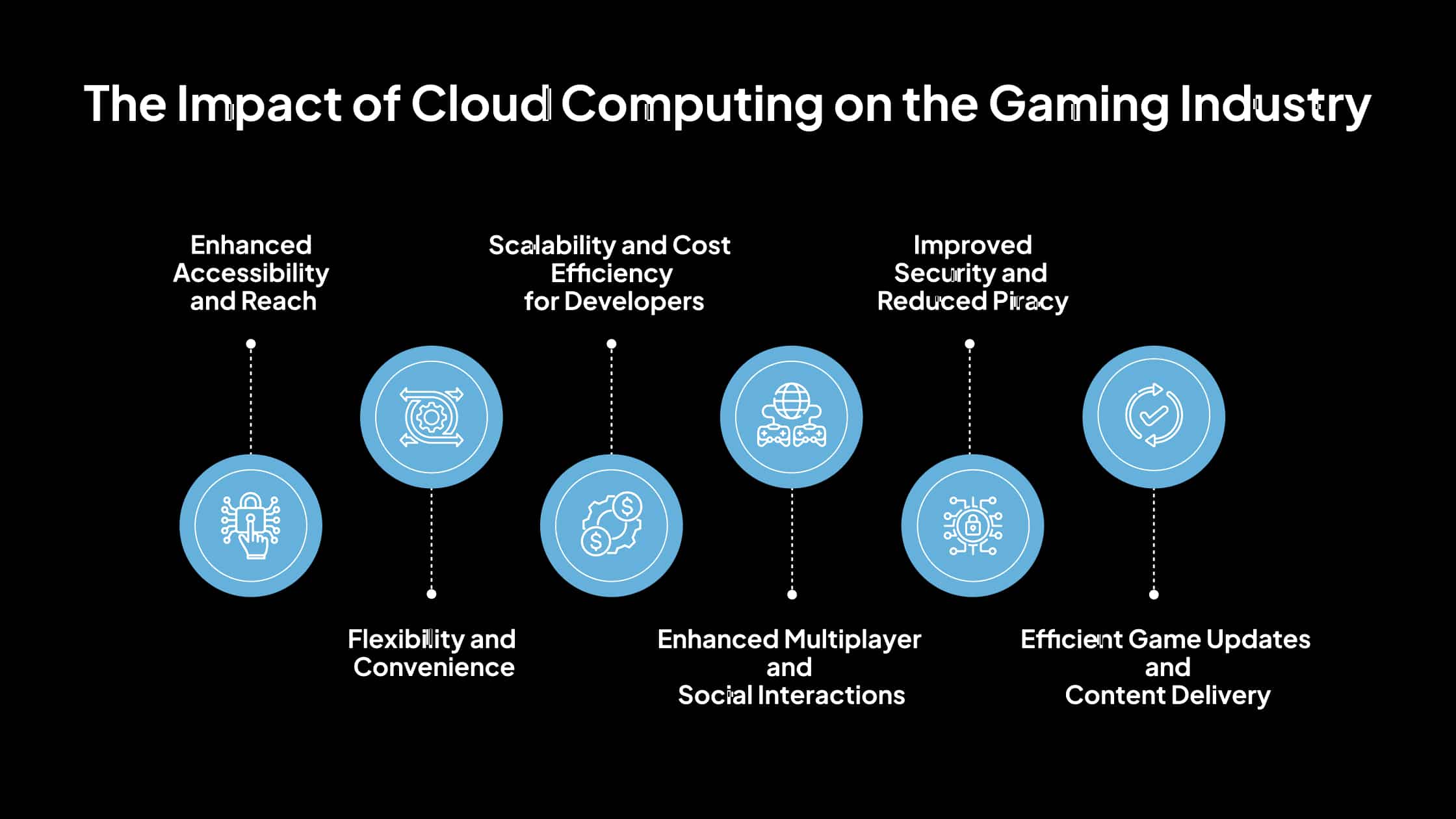
Benefits of Cloud Technology in Gaming
Cloud technology provides numerous advantages for both players and developers, including:
- Reduced hardware requirements.
- Instant access to games.
- Faster software updates.
- Cross-platform compatibility.
- Cloud-based game saves.
- Improved multiplayer performance.
- Greater accessibility for players.
- More efficient game development.
These benefits demonstrate why cloud technology has become one of the driving forces behind the modern gaming industry.
Conclusion
Cloud technology is reshaping the gaming industry by making games more accessible, flexible, and connected than ever before. Through cloud gaming, cross-platform compatibility, improved multiplayer services, and powerful development tools, both players and developers are experiencing new opportunities that were unimaginable only a few years ago. As technology continues to evolve, cloud computing will remain a cornerstone of gaming innovation, enabling richer experiences, stronger online communities, and more immersive digital worlds. The future of gaming will not only depend on powerful hardware but also on the limitless potential of cloud technology to connect players and redefine interactive entertainment.
