
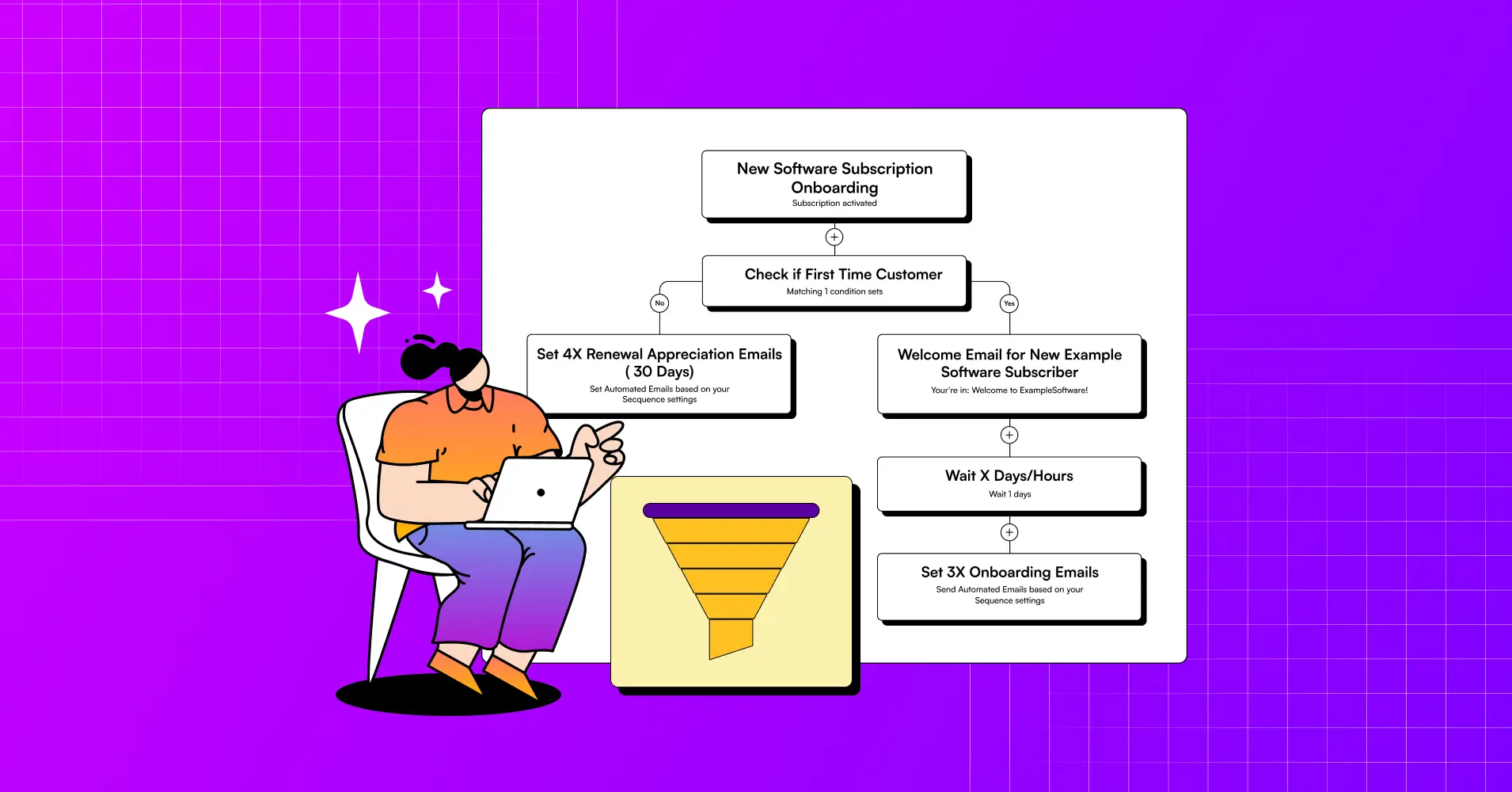
Messaging automation has become an essential tool for companies aiming to improve communication, streamline operations, and create more efficient customer experiences. As businesses expand, the need for faster, more consistent, and scalable communication grows. Automated messaging helps organizations meet these demands by reducing manual workload, improving accuracy, and supporting stronger engagement across every stage of the customer journey. When implemented thoughtfully, automation becomes a strategic asset that contributes directly to long term business growth.
Enhancing Customer Engagement Through Timely Communication
Timely communication plays a major role in shaping customer satisfaction and loyalty. Messaging automation allows businesses to deliver updates, confirmations, reminders, and follow ups at exactly the right moment. This consistency helps customers feel supported and informed throughout their interactions with the company. Automated systems can send messages instantly, even during high volume periods, ensuring that no customer is left waiting for essential information. Many organizations rely on platforms such as Syniverse to support reliable automated communication across multiple channels, helping them maintain strong engagement without placing additional strain on internal teams. When customers receive timely, relevant messages, they are more likely to stay connected and continue doing business with the company.
Streamlining Internal Workflows and Reducing Manual Tasks
Automation significantly reduces the amount of repetitive work handled by customer service, sales, and operations teams. Tasks such as sending appointment reminders, processing order updates, or responding to common inquiries can be managed automatically, freeing staff to focus on higher value responsibilities. This shift improves productivity and helps teams operate more efficiently, especially during busy periods. Streamlined workflows also reduce the risk of human error, ensuring that communication remains accurate and consistent. When employees spend less time on routine tasks, they can dedicate more energy to strategic initiatives that support business growth.
Supporting Scalable Communication as the Business Expands
As a business grows, its communication needs naturally increase. Messaging automation provides the scalability required to manage higher volumes of customer interactions without overwhelming staff or compromising service quality. Automated systems can handle thousands of messages simultaneously, ensuring that customers receive timely responses regardless of demand. This scalability is especially valuable for companies experiencing rapid expansion, seasonal spikes, or increased customer engagement. By maintaining consistent communication at scale, businesses can support growth without sacrificing the customer experience.
Improving Customer Retention Through Proactive Outreach
Proactive communication helps businesses stay connected with customers and address needs before issues arise. Messaging automation makes it easy to send reminders, follow up messages, personalized recommendations, or service updates that keep customers engaged. This proactive approach reduces missed appointments, prevents confusion, and encourages repeat interactions. When customers feel supported and valued, they are more likely to remain loyal to the brand. Strong retention contributes directly to business growth by increasing lifetime value and reducing the cost of acquiring new customers. Automation ensures that proactive outreach happens consistently, even when internal teams are focused on other priorities.
Conclusion
Messaging automation supports business growth by enhancing customer engagement, streamlining internal workflows, enabling scalable communication, and strengthening customer retention through proactive outreach. With the right tools and strategy, automation becomes a powerful driver of efficiency, consistency, and long term success.
